
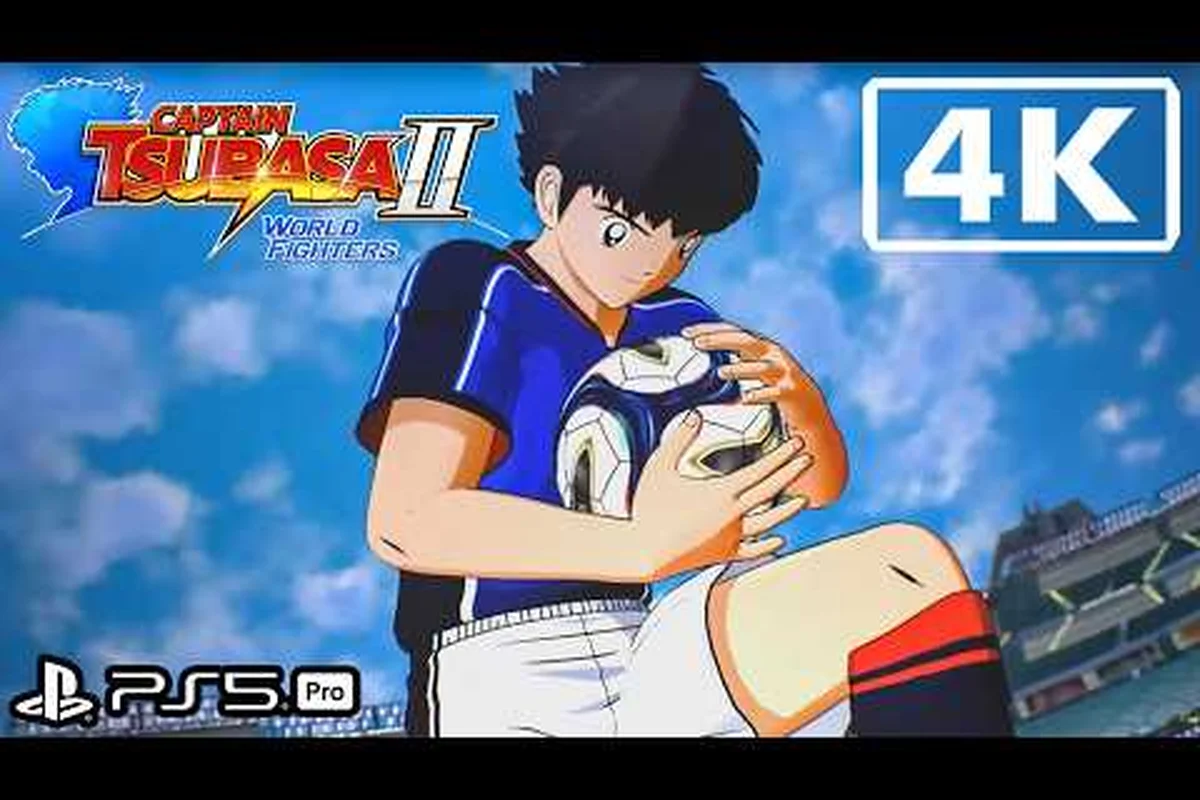
If you are trying to decide whether to pick up the sequel, the Captain Tsubasa 2: World Fighters gameplay features deserve a close look because they completely reshape how matches play out compared to the original. This guide breaks down the core game system, the new duel mechanics, and the full mode lineup so you know exactly what to expect before your first kickoff. Get the latest breakdown of the shooter-versus-goalkeeper duels, the stamina layer, and how online multiplayer works across the 22 national teams.
Core Game System and Match Flow Overview
How Shot and Save Duels Are Resolved
The duel system resolves every shot through a direct confrontation between the shooter's shot stat and the goalkeeper's catch stat, with timing-based inputs determining success. A well-timed shot input increases shot power by roughly 30%, while a mistimed goalkeeper input reduces catch effectiveness by a similar margin. This creates a rock-paper-scissors dynamic: shooters can feint to force early goalkeeper commits, but skilled keepers can delay their input to react to the actual shot trajectory. The system rewards reading opponent patterns rather than raw stat comparison.
Pacing Sprints and Super Shots
The stamina system creates a tactical tension between explosive super moves and sustained defensive pressing. Each super move consumes roughly 20-25% of a player's stamina bar, meaning three consecutive super moves leave a player exhausted and vulnerable to counter-attacks. Effective stamina management involves alternating high-intensity pressing phases with conservative possession periods, particularly in the second half when fatigue compounds. This mechanic is especially critical in Versus mode, where opponents can exploit a drained player's reduced movement speed and tackle success rate.
The Captain Tsubasa 2: World Fighters game system builds on the arcade-style soccer foundation of the first title while adding a deeper tactical layer that rewards both quick reflexes and careful planning. Matches flow through real-time halves rather than turn-based exchanges, which means every pass, tackle, and shot happens in the moment and demands split-second decisions. According to the official Steam store page, the game features three core modes: Journey, NEW STARS ROUTE, and Versus, each of which uses the same underlying match engine but asks you to play differently.
The match engine itself revolves around a few key pillars that you will encounter in every game: positioning, stamina management, and the rock-paper-scissors dynamic between tackles, dribbles, and passes. Unlike traditional football sims, the game resolves duels through a stat-driven calculation that factors in player momentum and the all-important "V-Zone" gauge, which fills as you execute successful plays and empties when you commit fouls. This means a well-timed sliding tackle from a defender like Jito can instantly drain an opponent's drive, but mistiming it leaves your flank exposed, forcing you to rely on your goalkeeper's reflexes to bail you out of a counter-attack.
-
Real-time ball control with contextual actions for passing, dribbling, shooting, and tackling that change based on your position and momentum.
-
The duel system that triggers whenever a shooter faces a goalkeeper, turning goal attempts into a timing-based confrontation.
-
Stamina management that drains faster when you use super moves or press aggressively, forcing you to balance explosive plays with sustained pressure.
-
Team chemistry bonuses that activate when you build lineups around players who share national team or club connections.
Because the Captain Tsubasa 2: World Fighters gameplay features emphasize flow over stop-start simulation, you will spend most of your time reading the pitch and reacting to opponent movements rather than cycling through menus. The camera stays close to the action, and the HUD keeps stamina bars visible for both your active player and nearby teammates, which helps you plan runs without pausing the game. While the controls take a few matches to internalize, the core loop of building attacks, triggering duels, and converting chances feels rewarding once you understand how the game system punishes careless play.
The Shooter Versus Goalkeeper Duel System Explained
Journey Mode's World Youth Tournament Bracket Structure
Journey Mode follows the World Youth arc's exact competitive ladder: the group stage pits you against Thailand, Uzbekistan, Saudi Arabia, China, and South Korea before knockout rounds escalate to European giants Germany, France, and the Netherlands. The semifinals introduce South American powerhouses Argentina and Uruguay, culminating in a climactic final against Brazil and Natureza. This bracket structure means your team composition must evolve—group-stage matches reward aggressive pressing against weaker Asian sides, while the European knockout phase demands disciplined defensive positioning to counter high-tier shot mechanics.
Spending Growth Points for Your Created Player
NEW STARS ROUTE introduces position-specific growth point allocation across striker, midfielder, defender, and goalkeeper archetypes. Each match grants growth points that can be distributed to improve shooting, passing, tackling, or goalkeeping attributes. For strikers, prioritizing shot power over dribbling yields better duel success rates, while midfielders benefit from balanced passing and stamina investment. The long-term loop requires planning 10-15 matches ahead—allocating points too heavily into early-game stats leaves your custom player underpowered for the World Youth tournament's later European opponents.
One of the most distinctive Captain Tsubasa 2: World Fighters gameplay features is the duel system that activates when a shot heads toward goal. This is not a simple save-or-score roll; it is an active confrontation where both the shooter and the goalkeeper input commands during a brief window. The shooter can choose to add curve, increase power, or place the ball into a specific corner, while the goalkeeper can commit to a dive direction, stay central, or time a punch clearance. Each choice carries risk, because committing to a corner dive leaves the rest of the goal exposed.
The duel resolution depends on several factors that you should track before you even take the shot: the shooter’s current stamina and Guts value, the goalkeeper’s catch rating and positioning, and the distance from goal when the shot animation triggers. For example, a Tsubasa Drive Shot fired from just outside the penalty area consumes roughly 15% more stamina than a close-range Neo Drive Shot, which directly reduces the shot’s power multiplier if your Guts meter dips below 50%. Since the game calculates the duel in real-time using these hidden stat modifiers, waiting an extra half-second to close distance can shift a 60/40 matchup in the keeper’s favor into a guaranteed goal.
| Duel Factor | Shooter Impact | Goalkeeper Impact |
|---|---|---|
| Shot Power | Higher power reduces reaction time | Faster dive speed counters power |
| Shot Placement | Corner shots beat central dives | Central positioning covers low shots |
| Super Move Tier | Tier 3 moves add unreadable trajectories | Special save moves negate one tier |
| Stamina Remaining | Low stamina reduces shot accuracy | Low stamina widens save reaction window |
| Momentum Bonus | Chain passes add shot boost | Clean defensive reads add save boost |
Because the duel system rewards reading your opponent, you should vary your shot choices instead of relying on the same super move every time. If you always shoot to the same corner, a skilled goalkeeper will start committing there early and punish you. The same logic applies when you are defending: watch the shooter's body language and stamina bar, then decide whether to dive early or hold your position. Community reports suggest that the duel timing window tightens on higher difficulties, so practicing the input rhythm in training matches before jumping into ranked play is a smart move.
Journey Mode and the World Youth Arc Structure
Journey mode is the story-driven heart of the Captain Tsubasa 2: World Fighters game modes guide, following Tsubasa Ozora through the World Youth arc under the supervision of creator Yoichi Takahashi. The campaign is told through over 150 cutscenes, which means you get a substantial narrative experience between matches rather than a barebones tournament ladder. According to the official Bandai Namco page, Journey progression follows the World Youth tournament structure: group stage rivals include Thailand, Uzbekistan, Saudi Arabia, China, and South Korea, followed by knockout rounds against European giants like Germany, France, and Netherlands.
The match structure in Journey mode follows a set pattern that you should prepare for: each World Youth arc fixture alternates between a scripted first half, where the story dictates key events like Hyuga's initial pressure or a rival captain's special-tactic activation, and a free-form second half where your tactical adjustments—such as switching to a 3-2-3-2 formation or burning a Tsubasa Drive Shot early—determine whether you overcome the opponent's scripted momentum. Because the game's AI scales its aggression based on your possession rate in the opening 20 in-game minutes, failing to secure a lead before halftime often triggers a difficulty spike in the second half, forcing you to rely on your bench's stamina reserves and the H&H (Heart and Hustle) system to recover lost ground.
-
Group stage matches are shorter and serve as tutorials for the duel system, with lower opponent aggression.
-
Knockout rounds introduce tougher AI that uses super moves more frequently and defends with tighter marking.
-
Semifinal matchups against Argentina or Uruguay require you to manage stamina carefully because the matches run longer.
-
The Brazil final is the ultimate test, featuring Natureza and Carlos Santana with high-tier super moves that demand perfect duel timing.
Each match in Journey mode has specific mission objectives beyond just winning, such as scoring with a particular player or conceding fewer than two goals. These objectives reward you with growth points and unlockable content, so completing them is worth the extra effort. The story beats between matches also explain why certain characters join your squad and how the team chemistry develops, which gives context to the tactical choices you make in the lineup screen.
The Custom Player Journey Explained
The NEW STARS ROUTE is an entirely new addition to the Captain Tsubasa 2: World Fighters game system, and it is the mode that will likely keep you engaged long after you finish Journey. Instead of controlling Tsubasa, you create a custom player who joins the Japan national team and fights alongside the established roster. The character creation screen lets you pick a position—striker, midfielder, defender, or goalkeeper—and each choice changes how you interact with the match engine.
Your custom player earns growth points after every match, which you allocate across attributes that matter for your chosen position—whether that’s boosting a striker’s Shot Power to 85+ for long-range drives, raising a midfielder’s Pass Accuracy to trigger one-touch link-ups, or reinforcing a defender’s Tackle stat to shut down Hyuga’s Tiger Shot. Each point spent shifts your player’s effectiveness in specific Captain Tsubasa 2: World Fighters game modes, and since match length is short, growth accrues quickly, letting you fine-tune your build every few games rather than grinding for hours.
| Position | Primary Attributes | Recommended Playstyle |
|---|---|---|
| Striker | Shot Power, Acceleration, Dribble | Stay high, time runs behind the defense |
| Midfielder | Pass Accuracy, Stamina, Vision | Dictate tempo, trigger chain passes |
| Defender | Tackle Power, Block, Positioning | Cut passing lanes, win duels early |
| Goalkeeper | Save Speed, Reach, Reflex | Read shooters, commit late in duels |
The progression loop in NEW STARS ROUTE is designed for long-term engagement because you can keep earning points even after maxing out your core attributes. The mode also features its own set of mission objectives that mirror Journey but with your custom player as the focal point. Because your custom player levels up independently of the main roster, you need to decide whether to spread points evenly or specialize early; community testing suggests that specialized builds perform better in online play because the match engine rewards clear role definition over jack-of-all-trades stats. If you want a deeper breakdown of how the mode fits into the broader mode lineup, the game modes guide covers the full structure in detail.
Versus Mode and How Multiplayer Works
The Captain Tsubasa 2: World Fighters how multiplayer works question is one of the most common from players considering the game, and the answer involves two distinct options: local split-screen and online PvP. Local versus mode supports split-screen play for couch matches, which is perfect for testing the game with friends who are not confident enough for ranked play yet. Online play includes both ranked and casual 1v1 matches, with cross-region matchmaking that pairs you against opponents from different parts of the world.
The online matchmaking system uses a simple ladder system where wins earn you ranking points and losses cost you some, but the real twist is that your point swing depends on the opponent's rank—beating a higher-tier player yields up to 40 points, while losing to a lower-ranked one can deduct as many as 30. Here is what you should know before diving into ranked: matches are locked to a 5-minute half with no stoppage time, so you must manage your Spirit Gauge carefully to avoid running out of stamina for special shots like the Drive Shot in clutch moments.
-
Match length in versus mode is shorter than Journey matches, typically running around 6-8 minutes of real time depending on how many goals are scored.
-
Team selection is open across the 22 national teams plus Sao Paulo, so you can experiment with different squads without unlocking them first.
-
Connection quality matters more than in single-player because the duel system relies on precise timing; a laggy match makes both shooting and saving significantly harder.
-
Stamina management becomes a psychological battle online because you can see your opponent's stamina bar and pressure them when it runs low.
Because the Captain Tsubasa 2: World Fighters gameplay features include cross-region play, you will face a variety of playstyles that force you to adapt. Some players favor aggressive pressing with high-stamina teams, while others sit back and wait for counter-attack opportunities. The ranked ladder also resets periodically, so climbing back to your previous rank after a reset requires consistent performance rather than a lucky streak. For a more tactical breakdown of the online meta, the multiplayer guide dives into specific strategies for each mode.
Match Length, Stamina, and Difficulty Settings
Understanding the Captain Tsubasa 2: World Fighters match length and how it interacts with the stamina system is critical because the two mechanics are deeply connected. A standard Journey match runs about 10-12 minutes of real time, while versus matches are shorter at 6-8 minutes. The match length setting is adjustable in the options menu, and longer matches give you more time to break down a defense but also drain your players' stamina faster, which creates a trade-off you need to plan around.
The stamina system affects player performance in several measurable ways: each player character has a stamina gauge that depletes with every dash, tackle, and special shot (like the Drive Shot or Tiger Shot), and when it drops below 30%, their running speed is reduced by roughly 20%, pass accuracy decreases, and the chance of a special move failing rises notably. This forces you to manage substitutions carefully—resting a fatigued forward like Tsubasa on the bench for a few in-game minutes can be the difference between converting a breakaway in the second half or watching the ball get intercepted by a fresh defender.
| Stamina Level | Shot Power | Sprint Speed | Duel Reaction | Tackle Success |
|---|---|---|---|---|
| 100-75% | Full power | Full speed | Normal window | Normal success |
| 74-50% | 10% reduction | 15% slower | 10% wider window | 10% lower success |
| 49-25% | 20% reduction | 30% slower | 20% wider window | 20% lower success |
| Below 25% | 35% reduction | 50% slower | 35% wider window | 35% lower success |
Because the stamina penalties stack quickly, you cannot afford to spam super moves every possession. The game system rewards players who conserve energy during build-up play and then unleash explosive moves when it matters most. Difficulty settings also affect how quickly your stamina drains: on higher difficulties, the AI presses more aggressively, which forces you to sprint and dodge more often. If you want a detailed breakdown of how stamina interacts with the broader game system, the stamina system guide explains the math behind the penalties and how to plan your energy usage across a full match.
Team Selection Strategy and Match Preparation
Choosing the right team is one of the most important Captain Tsubasa 2: World Fighters gameplay features because each national squad has distinct strengths and weaknesses that align with different playstyles. The 22 national teams plus Sao Paulo offer enough variety that you can find a squad that matches your preferred approach, whether that is high-pressing, counter-attacking, or possession-based soccer.
Here is a quick comparison of the team archetypes you will encounter, and it directly dictates your formation and stamina management strategy in Captain Tsubasa 2: World Fighters. The Speedster archetype (Tsubasa, Diaz) relies on the Dash Gauge for rapid through-balls and 1-2 passes, but their low Body stat means they lose possession instantly on physical clashes, so you must trigger their Drive Shot from outside the box rather than dribbling through the defense. In contrast, Powerhouse strikers (Hyuga, Schneider) can bulldoze through defenders using the Tackle-baiting mechanic, yet their slower acceleration makes them vulnerable to counter-attacks if you hold the ball too long. Since the match length is a condensed 10-minute half, your archetype choice also determines whether you should spam the Miracle Shot early to build a lead or conserve the Spirit Gauge for a late-game comeback.
| Team Archetype | Example Teams | Core Strength | Key Weakness |
|---|---|---|---|
| Speed-focused | Japan, Netherlands | Fast breaks, quick passing | Lower physical duels |
| Power-focused | Germany, Brazil | Strong shots, high stamina | Slower build-up play |
| Technical | France, Argentina | Dribbling, precise passing | Vulnerable to pressing |
| Defensive | Italy, Uruguay | Solid blocks, counter-attacks | Limited attacking output |
When you are preparing for a match, you should also consider the formation and how it interacts with your opponent's setup. The game system does not force you into a single formation per team; you can adjust the tactical shape before kickoff, which lets you tailor your approach to the matchup. Community reports suggest that formation flexibility is one of the most underrated tools in the game because it lets you counter specific threats without changing your entire roster.
Frequently Asked Questions
What are the most important Captain Tsubasa 2: World Fighters gameplay features to learn first?
The duel system is the most important feature to master because it determines whether your shots score and whether your goalkeeper makes saves. Spend time in training mode practicing the timing window for both shooting and saving, then learn how stamina affects your duel performance before jumping into competitive matches.
How long is a typical match in Captain Tsubasa 2: World Fighters?
Journey mode matches run approximately 10-12 minutes of real time, while versus mode matches are shorter at 6-8 minutes. The match length setting is adjustable in the options menu, and longer matches give you more time to break down defenses but also drain player stamina faster.
How does online multiplayer work in Captain Tsubasa 2: World Fighters?
Online play includes ranked and casual 1v1 matches with cross-region matchmaking. You can select any of the 22 national teams plus Sao Paulo without unlocking them first. The ranked ladder uses a points system where wins earn ranking points and losses cost some, with periodic resets that require consistent performance to climb.
Does the NEW STARS ROUTE mode affect the main Journey campaign?
No, the NEW STARS ROUTE is a separate mode with its own progression system. Your custom player levels up independently of the main roster, and completing missions in this mode does not carry over to Journey. However, both modes use the same match engine and duel system, so skills you develop in one mode transfer to the other.
What is the best way to manage stamina during a match?
Avoid spamming super moves and sprinting constantly during build-up play. Conserve energy in the first half, then unleash explosive moves in the second half when your opponent's defenders are also tired. Watch the stamina bars of your key players and substitute them when their energy drops below 50 percent to avoid the heavy performance penalties.