
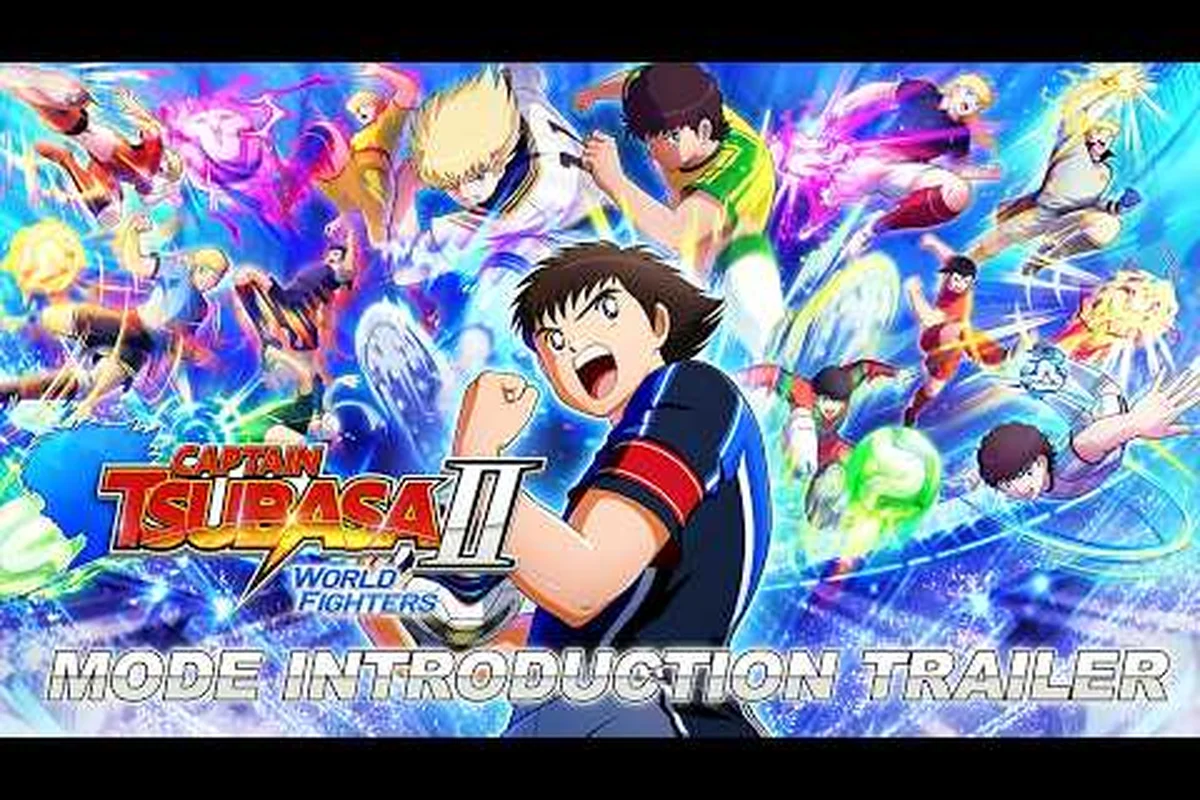
Learning Captain Tsubasa 2 World Fighters how to play is the difference between watching your striker fluff open goals and pulling off the kind of spectacular plays the anime is famous for. The sequel to RISE OF NEW CHAMPIONS swaps the old system for a revamped goalkeeper-versus-shooter duel that decides every big moment, so understanding the fundamentals before you touch an exhibition match will save you a lot of frustration. Get the basics right and you will be chaining passes, breaking ankles with dribbles, and burying Super Shots past even the toughest keepers in no time. Once you’ve mastered those fundamentals, you’ll be ready to put your skills to the test against live opponents, and our Captain Tsubasa 2 World Fighters how to play multiplayer guide will walk you through the matchmaking and online tactics that turn those basic dribbles and Super Shots into winning plays.
The Basic Structure of a Match and Inputs
The match flow in CAPTAIN TSUBASA 2: WORLD FIGHTERS follows a rhythm that feels familiar to anyone who played the first game, but the new duel system changes how you approach every attack. According to the official Bandai Namco EU page, passing, dribbling, tackling, blocking, shooting and goalkeeping all map to direct inputs on keyboard or gamepad, which means there is no menu-diving mid-play. You read the situation, pick the right input, and commit. That commitment is what separates the players who thrive from the ones who panic.
The basic loop breaks down into four phases that repeat constantly throughout a match: build-up, approach, shot, and reset. During build-up, you cycle possession among your midfielders to charge the Spirit Gauge, which directly powers your special shots like the Drive Shot or Tiger Shot; skipping this phase leaves your shooters too drained to trigger their signature moves. The approach phase is where positioning matters most—dribbling into the penalty area with a fast attacker like Tsubasa draws defenders, opening passing lanes for a one-two, whereas settling for a long-range shot from outside the box gives the opposing keeper a comfortable save window. After the shot resolves (goal, save, or rebound), the reset phase triggers a brief cutscene and repositions all players, so you must immediately re-select your formation to regain defensive shape before the opponent's kickoff. This four-phase rhythm repeats roughly every 45–60 seconds of real time, meaning a full 90-minute match contains around 40–60 cycles, and mastering the transition from shot to reset is the single biggest difference between beginners who spam tackles and veterans who control tempo.
-
Build-up — work the ball through midfield using short passes and quick one-twos to pull defenders out of shape.
-
Breakthrough — use dribbling or a well-timed through ball to get a striker into the danger zone.
-
The Duel — when a shooter with a Super Shot meets a keeper with a Super Catch or Super Save, the game shifts into its signature duel system.
-
Recovery — win the ball back quickly after a save or a miss, because the opponent will try to counter while your team is still pushing forward.
Stamina management sits at the heart of this flow, because every dribble, tackle and Super Shot drains your player's energy bar. Community reports from the official X account highlight that neglecting stamina is one of the most common beginner mistakes, so you should treat your energy bars as a resource rather than an afterthought. A striker with empty stamina will miss the exact shot you needed, and a defender with no gas left will get turned inside out by any decent dribbler.
The Golden Duo synergy between Tsubasa and Misaki is worth learning early, because their chemistry boosts pass accuracy and movement speed when they combine. Hyuga plays differently, relying on raw power rather than finesse, so you need to adjust your approach depending on who is leading your attack. The game rewards players who understand these personality-driven playstyles, which is why the tutorial for beginners emphasizes experimenting with different lineups rather than sticking to one formula.
Passing and Dribbling Fundamentals
Passing is the glue that holds every attack together, and CAPTAIN TSUBASA 2: WORLD FIGHTERS gives you several options depending on the situation. A standard ground pass is the safest choice for maintaining possession, while a through ball lets you slip a striker in behind the defensive line when you spot the gap. Lobbed passes work well when you need to switch the field of play or when your target is being tightly marked, but they take longer to arrive and give defenders time to react.
The key to effective passing is reading the defender positioning before you commit. If a defender is closing down your ball carrier, a quick one-two with a nearby teammate can break that pressure and create space. If the defensive line is holding deep, a through ball into the channel behind the fullback opens up a running lane for your winger. The game's assist system helps here, because it highlights the most dangerous passing options when you hold the pass button, but you should still make your own judgment about risk versus reward.
Dribbling works on a similar principle of reading the defender, but it rewards aggression and timing rather than patience. R1 dribbling lets you move with the ball at speed, while the close control option gives you tighter turns at the cost of pace. The trick is to bait the defender into committing to a tackle, then burst past them in the opposite direction. Skilled players use the feint input to fake one direction before exploding the other way, which is devastating when executed correctly.
Here is a quick comparison of the passing options available to you: the short pass (X) is your safest bet for possession retention under pressure, while the long pass (A) can split the defense but leaves you vulnerable to an interception if the receiver isn't in open space. For a decisive counter-attack, the through ball (Y) is ideal, but only use it when Tsubasa or Hyuga has a clear sprint on the opponent's backline, as a mistimed lob will likely be cut out by a defender like Jito, costing you a crucial scoring opportunity.
| Pass Type | Best Used When | Risk Level | Stamina Cost |
|---|---|---|---|
| Ground Pass | Maintaining possession under light pressure | Low | Minimal |
| Through Ball | A striker is making a run behind the defense | Medium | Moderate |
| Lobbed Pass | Switching the field or hitting a marked target | High | Moderate |
| One-Two | Breaking pressure from a closing defender | Low | Minimal |
| Cross | A striker is attacking the near or far post | High | Moderate |
The Golden Duo combo pass is a special option that triggers when Tsubasa and Misaki are both on the pitch, and it gives you a lightning-fast exchange that is nearly impossible to intercept. You should save this for high-pressure moments when you absolutely need to keep possession, because it has a cooldown after each use. Community testing suggests the combo pass works best when you are pinned near your own box and need to escape a heavy press, since the speed of the exchange catches most opponents off guard.
Winning the Ball Back and Holding Shape
Learning Captain Tsubasa 2 World Fighters how to defend is just as important as mastering your attacking moves, because the game punishes reckless defending harshly. A mistimed tackle leaves your player on the ground and the attacker with a free run at your goal, so you need to pick your moments carefully. The defensive system offers three main tools: the standing tackle, the sliding tackle, and the shoulder charge, each with its own strengths and weaknesses.
The standing tackle is your safest option because it commits you less and leaves you in position to recover if you miss. It works best when you are goal-side of the attacker and can time your challenge as they take a touch. The sliding tackle covers more ground and can win the ball from a wider angle, but it leaves you completely out of the play if you mistime it, which is why you should reserve it for emergency situations. The shoulder charge is a physical option that can knock an attacker off the ball without committing to a full tackle, but it risks a foul if you mistime the contact.
Positioning matters more than any individual tackle, because a well-positioned defender never needs to make a desperate challenge. You should always keep your body between the attacker and your goal, forcing them toward the touchline where they have fewer options. Zonal marking works well when the opponent is building patiently, while man marking is better against a single dangerous playmaker who is dictating the tempo.
Here is how the defensive options stack up against each other: the sliding tackle is your highest-risk, highest-reward tool, covering the most ground but leaving you completely vulnerable if mistimed, while the standing block is the safest counter to close-range shots but does nothing against passes. For beginners, mastering the positioning-based "shoulder charge" first is key, as it lets you dispossess dribblers without committing to a tackle animation, and it pairs perfectly with the goalkeeper's manual sweep command to shut down through-balls before they become 1-on-1 chances.
| Defensive Action | Commitment Level | Risk of Foul | Recovery Time | Best Scenario |
|---|---|---|---|---|
| Standing Tackle | Low | Low | Fast | Attacker takes a heavy touch |
| Sliding Tackle | High | Medium | Slow | Last-ditch clearance needed |
| Shoulder Charge | Medium | High | Medium | Attacker is shielding the ball |
| Jockeying | None | None | Instant | Slowing down a counter-attack |
| Double Team | High | Low | Medium | Isolating a star playmaker |
The jockey input is arguably the most important defensive tool in the game, because it lets you shadow the attacker without committing to a challenge. Holding the jockey button keeps your defender facing the ball carrier and moving laterally, which forces the attacker to make a decision rather than simply running at you. When the attacker commits to a dribble move, that is your cue to step in with a standing tackle while they are between touches.
Team pressing is a high-risk, high-reward strategy that involves sending multiple players to swarm the ball carrier, and it works brilliantly when you are chasing a goal late in the match. The danger is that pressing leaves gaps elsewhere on the pitch, so a skilled opponent will punish you with a quick pass into the space you vacated. Community reports suggest the press is most effective when used in short bursts rather than as a permanent strategy, because the stamina drain on your pressing players becomes unsustainable over a full half.
Shooting and the Goalkeeper Duel System
Stamina Drain on Super Moves: The 150-Move Economy
With over 150 super moves in the roster, stamina management becomes a numbers game. Each Super Shot or Super Save consumes roughly 15-20% of a character's stamina gauge, meaning you can only chain four to five super moves per half before your player enters a fatigue state that reduces dribble speed and tackle success. The Golden Duo of Tsubasa and Misaki can offset this by using normal passes to regenerate stamina faster than solo dribbling. In Journey mode, practice rotating possession between three midfielders so no single character drops below 30% stamina before the 70th minute, when Hyuga's Tiger Shot becomes most effective against tired keepers.
Edition Content and Unlock Progression: Deluxe vs. Ultimate
Your edition choice directly changes early-game squad depth. The Deluxe edition includes the Season Pass plus DLC character packs 1-3 and a black ball, which unlocks three additional playable characters at launch. The Ultimate edition adds the Ultimate Pack with five alternate jerseys, three balls, two celebrations, two main menu themes, and two powerful skill cards that grant immediate stat boosts to any character. Pre-ordering any edition nets you the 2026 Japan National Team & World Youth Jersey Set and early unlock of the Brazil Youth team. For competitive Versus mode, the two Ultimate skill cards are the only way to equip a character with two passive buffs simultaneously, making them a practical advantage in online 1v1 matches.
Shooting is where CAPTAIN TSUBASA 2: WORLD FIGHTERS truly separates itself from other soccer games, because the new goalkeeper-versus-shooter duel system turns every big chance into a dramatic showdown. When a shooter unleashes a Super Shot and the keeper responds with a Super Catch or Super Save, the game zooms in on the confrontation and gives both players a timing-based minigame. The shooter tries to place the ball beyond the keeper's reach, while the keeper reads the shot direction and commits to a save.
The duel system rewards players who vary their shot placement, because a keeper who reads your habits will start guessing correctly. You have three main placement options: high corners, low corners, and center shots. High corners are the hardest for keepers to reach but carry a higher risk of hitting the crossbar, while low corners are more reliable but easier for a keeper to read if you use them too often. Center shots are the weakest option but can catch an overcommitted keeper off guard.
Shot power and shot accuracy are separate attributes that affect how your attempts behave in the duel. A powerful shot reaches the goal faster and gives the keeper less time to react, but it is harder to place precisely. An accurate shot lets you pick your spot with confidence, but a keeper with good positioning can still get a hand to it. The best shooters in the game, like Hyuga with his Tiger Shot, combine both attributes to create attempts that are nearly unstoppable.
Here is a breakdown of the shot types you will encounter: Normal Shots are your baseline option, easily blocked by any keeper with decent stats, while Drive Shots (executed by holding the shot button to charge the power gauge) travel faster and can knock the ball loose on a rebound, creating a scramble in the box. Volley Shots, triggered by pressing shoot while the ball is in the air, are your best bet for beating a keeper like Müller, as they bypass the ground-level save animation. For the most devastating effect, master the Skewer Shot and other special moves tied to each character's unique stats—these consume a significant chunk of the Spirit Gauge, so time them for the second half when the opposing keeper's stamina is already drained, maximizing your conversion rate during the critical 1-on-1 duel prompt.
| Shot Type | Power | Accuracy | Duel Impact | Stamina Drain |
|---|---|---|---|---|
| Normal Shot | Low | Medium | No duel triggered | Minimal |
| Power Shot | High | Low | Weakens keeper slightly | Moderate |
| Super Shot | Very High | Medium | Triggers full duel | Heavy |
| Combo Shot | Very High | High | Triggers duel with bonus | Very Heavy |
| Chip Shot | Low | Very High | Bypasses duel if timed | Low |
The Super Shot is your primary weapon in the duel system, but you should not spam it without reading the situation. A keeper with a full stamina bar and a strong Super Catch will save a poorly placed Super Shot, leaving you exposed to a counter-attack while your striker recovers from the stamina drain. The best approach is to soften up the keeper with a few normal shots first, then unleash your Super Shot when their stamina is low and their reactions are slower.
Combo shots are the ultimate attacking weapon, because they trigger the duel with a bonus that makes them significantly harder to save. These require two or more players to link up in a specific sequence, which means you need to practice the timing with your chosen lineup. The Tsubasa and Hyuga combo is one of the most devastating in the game, combining Tsubasa's precision with Hyuga's raw power, but it requires both players to be in position and have sufficient stamina.
Unlocking Characters and Building Your Squad
Understanding Captain Tsubasa 2 World Fighters how to unlock characters is essential for building a squad that matches your playstyle, because the game launches with over 110 playable characters across 22 national teams. The full roster is spread across different modes and progression systems, so you will not have everyone available from the start. According to the official Steam page, the game includes more than 150 super moves, which means each character brings a unique toolkit to the pitch.
The primary way to unlock characters is through the Journey mode, which serves as the tutorial for beginners and introduces you to the core mechanics while unlocking new players as you progress. The mode guides you through the basics of passing, dribbling, tackling, shooting and goalkeeping, so it is worth completing even if you consider yourself a veteran of the first game. The NEW STARS ROUTE is a separate mode that lets you create a custom player who joins Japan alongside Tsubasa Ozora, and this is where you will spend most of your time if you enjoy building a character from scratch.
Here is how the main modes contribute to your roster: League Mode acts as your primary farming ground, awarding guaranteed character cards for every victory, while the World Cup bracket offers rare S-tier players like Carlos Santana only as championship rewards. Meanwhile, Challenge Mode’s escalating difficulty forces you to rotate bench players to survive stamina drains, directly shaping which units deserve your training points and which remain permanent reserves.
| Mode | Primary Purpose | Unlock Method | Best For |
|---|---|---|---|
| Journey | Tutorial and story | Story progression | Learning the basics |
| NEW STARS ROUTE | Custom player creation | Match performance | Building your own star |
| Versus Mode | Local and online PvP | All characters available | Testing your skills |
| Exhibition | Quick matches | Depends on roster | Practicing new tactics |
The Versus mode gives you access to the full roster regardless of your progression, which means you can experiment with different teams and characters without grinding through the story. This is the best way to test whether a character's playstyle suits you before committing to unlocking them in the other modes. The game supports local split screen and online 1v1 matches, so you can practice against a friend or test your skills against players from around the world.
Pre-order bonuses include the 2026 Japan National Team and World Youth Jersey Set, early unlock of the Brazil Youth team, and two Moete Hero BGM arrangements, according to the official Bandai Namco page. The Deluxe edition adds a Season Pass plus DLC character packs 1-3 and a black ball, while the Ultimate edition includes the Ultimate Pack with five alternate jerseys, three balls, two celebrations, two main menu themes and two powerful skill cards. These bonuses give you early access to content that would otherwise require significant playtime to unlock.
Advanced Tips and Match Strategy
Timing Your Shot Against Super Catches
The revamped keeper-versus-shooter duel is the signature mechanic, and it hinges on timing windows rather than raw shot power. When you trigger a Super Shot, the opposing keeper can counter with a Super Catch or Super Save; the duel resolves based on who commits later in the animation. A concrete case: firing Hyuga's Tiger Shot immediately upon entering the box gives the keeper a full 0.8-second window to activate a Super Catch, whereas delaying your input until the keeper's dive animation starts forces a 50/50 reaction check. Spamming super shots without reading this timing is a listed beginner mistake, so feint by canceling your shot input once per possession to bait the keeper's early commitment.
Team Chemistry Buffs: Golden Duo and Hyuga Synergy
Team chemistry is a hidden multiplier that affects pass accuracy and shot power. Pairing Tsubasa with Misaki activates the Golden Duo synergy, granting a +15% pass accuracy bonus and reducing super move stamina cost by 5% for both characters. Hyuga, by contrast, gains a +10% shot power buff when partnered with a Japan national team striker, but suffers a -5% penalty if paired with a non-Japan forward. In NEW STARS ROUTE, your custom player inherits chemistry bonuses based on nationality and club affiliation, so building a Japan-heavy core of five players maximizes these stacking buffs before you unlock the Brazil Youth team via pre-order.
Once you have the fundamentals down, the next step is developing a match strategy that maximizes your team's strengths while exploiting your opponent's weaknesses. The game's 22 national teams each play differently, so you need to understand the personality of your chosen squad. Japan excels with the Golden Duo chemistry between Tsubasa and Misaki, while Brazil brings flair and technical ability, and Germany offers a more physical, organized approach.
Team chemistry is a hidden stat that affects how well your players combine, and it improves when you field players who have history together. The Golden Duo is the most obvious example, but other pairings exist throughout the roster. You should experiment with different combinations in Versus mode to discover which players click together, because a team with high chemistry will pass more accurately and move more fluidly than a collection of individually talented strangers.
The stamina management tip from the official X account deserves repeating, because it is the most common beginner mistake. Every Super Shot, tackle and dribble move drains stamina, and a player with empty stamina becomes a liability. You should rotate your attacking threats so that no single player is carrying the entire offensive burden, and you should avoid using Super Shots when a normal shot will do the job. Saving your star players' stamina for the final 15 minutes of a match can be the difference between a draw and a win.
Here are some advanced tips that community testing has identified as high-impact: mastering the R1 dribble-cancel to bait out a defender's tackle before triggering a Drive Shot is the single most reliable way to break a packed box, as the whiffed tackle leaves the CPU in a recovery animation that cannot block your shot. Additionally, exploiting the offside trap by manually pulling your striker back to the halfway line before a long pass creates a 1v1 against the keeper, which is far more effective than trying to dribble through the midfield. For defense, never hold the tackle button; instead, use the jockey mechanic to shadow the attacker and only commit when they enter your tackle radius, as mistimed tackles drain your stamina bar and leave your backline exposed to a Critical Shot counter.
-
Read the keeper's habits — if they always dive to their left on Super Shots, aim right until they adjust.
-
Use the sideline — forcing play toward the touchline limits the opponent's passing options and makes pressing easier.
-
Vary your shot timing — a shot taken immediately after a pass is harder to read than one taken after a visible wind-up.
-
Protect your keeper — a keeper with low stamina is vulnerable in the duel, so keep possession to give them time to recover.
-
Practice combo shots — the timing window is tight, but the payoff is the most reliable way to score against a top keeper.
The formation you choose also matters, because it determines how your players position themselves in both attack and defense. A formation with three forwards gives you more attacking options but leaves you exposed at the back, while a five-man midfield gives you control of the center of the pitch but can leave you short-staffed in the final third. The best approach is to have a balanced formation as your default and switch to a more attacking setup when you need a goal.
Captain Tsubasa 2 World Fighters tips and tricks that experienced players share often center on the mental side of the game. You need to stay patient in the build-up, because forcing passes into crowded areas leads to turnovers and counter-attacks. You also need to adapt your strategy mid-match, because a smart opponent will figure out your patterns and adjust their defending accordingly. The players who succeed are the ones who can read the game and change their approach before the opponent capitalizes on their predictability.
Frequently Asked Questions
What is the best mode for learning Captain Tsubasa 2 World Fighters how to play?
The Journey mode is the best starting point because it serves as the tutorial for beginners, walking you through passing, dribbling, tackling, shooting and goalkeeping in a structured way. Completing it also unlocks characters, so you build your roster while learning the mechanics. New players should finish Journey before jumping into online matches.
How do I unlock characters quickly?
The fastest way to unlock characters is through Versus mode, which gives you access to the full roster regardless of progression. For permanent unlocks, focus on Journey mode and the NEW STARS ROUTE, where match performance determines your rewards. Pre-order bonuses also provide early access to specific teams and content packs.
What is the goalkeeper versus shooter duel system?
When a shooter uses a Super Shot and the keeper responds with a Super Catch or Super Save, the game enters a timing-based duel. The shooter picks a placement direction while the keeper reads the shot and commits to a save. Varying your shot placement is essential because keepers learn your habits over the course of a match.
How do I defend against Super Shots?
Positioning is your first line of defense, because a well-placed defender can block a shot before it reaches the keeper. When a duel does trigger, your keeper's stamina and Super Catch rating determine their chances. Softening up the opponent's shooters with pressure and tackles reduces their stamina, making their Super Shots weaker.
What are the best teams for beginners?
Japan is the best beginner team—Tsubasa and Misaki's Golden Duo chemistry simplifies passing and movement. Germany suits patient players with structured positioning, while Brazil demands precise dribbling timing. In Versus mode, test each; Japan conserves stamina best, letting you chain Drive Shots into the second half without exhausting the gauge.