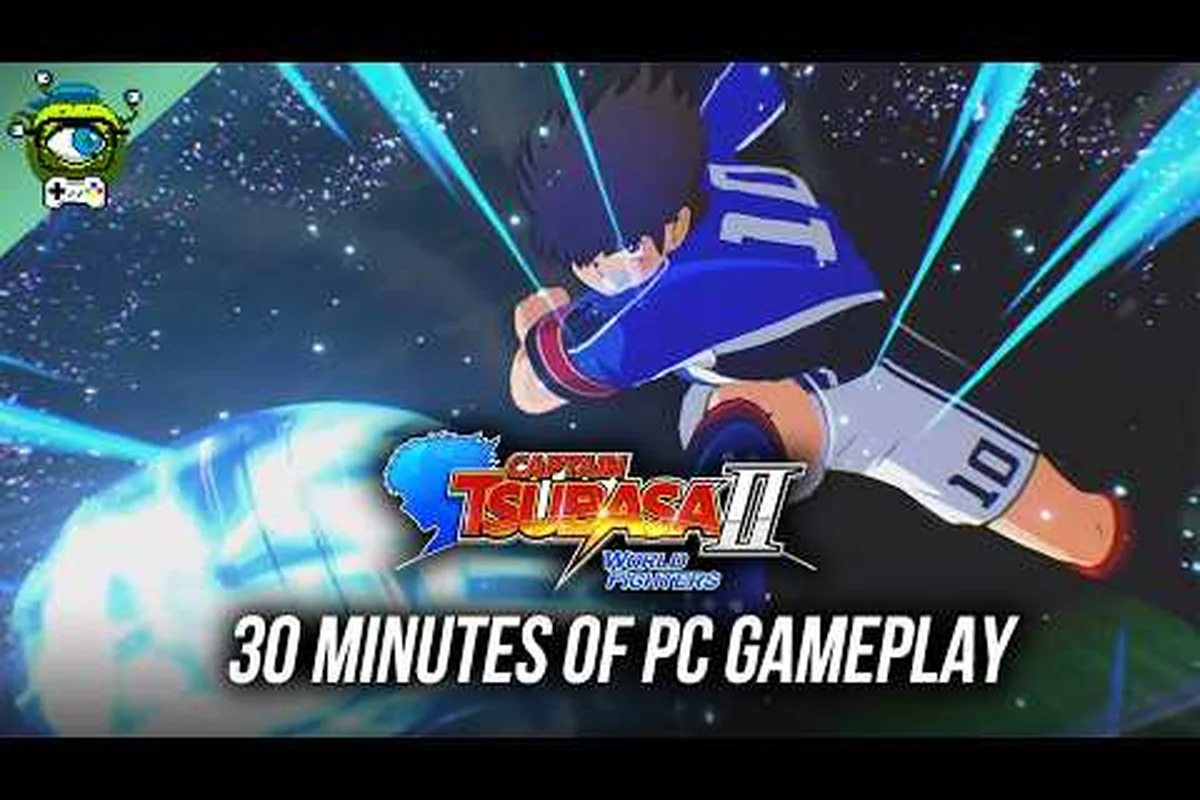
Stepping into CAPTAIN TSUBASA 2: WORLD FIGHTERS for the first time can feel overwhelming because the anime-style soccer action moves fast and the duel system demands timing, not just button mashing. This Captain Tsubasa 2: World Fighters new player guide strips away the noise and gives you the exact mechanics you need before your first kickoff, whether you are playing Journey mode solo or jumping straight into Versus. You will learn how to shoot, how to dribble, and how to read the goalkeeper-versus-shooter duel that defines every match, so you can focus on winning instead of fumbling through menus.
The Match Rhythm and Core Inputs
Anticipating Saves When You Shoot
The revamped goalkeeper-versus-shooter duel is the game's signature mechanic, and it punishes blind super shot spam. When you trigger a Super Shot, the opposing keeper with a Super Catch or Super Save enters a timing window where you must release your shot input at the precise moment the keeper commits. Practice this in Journey mode against Brazil Youth early—their keeper has a fast Super Catch animation. If you mistime the release, the keeper parries cleanly; if you delay, your stamina drains for nothing. Read the keeper's shoulder dip, then release.
The 22-National-Team Meta: Brazil Youth vs. Japan's Early Roster
With 22 national teams and 110+ characters, team selection dictates your learning curve. Brazil Youth unlocks as a pre-order bonus and features high-agility wingers but weaker defensive stats, making them ideal for practicing dribble-heavy offense. Japan's early roster, anchored by Tsubasa and Hyuga, offers balanced stamina and stronger tackling, which suits new players learning defensive positioning. If you struggle with the goalkeeper duel, pick Japan—their keeper has a more forgiving Super Save window than Brazil Youth's.
Every match in World Fighters follows a rhythm that differs from traditional soccer simulations because passing, dribbling, tackling, blocking, shooting, and goalkeeping all map to direct inputs on keyboard or gamepad, as described on the official Bandai Namco EU page. There is no tactical grid or player-switching wheel to manage; instead, you control the active character and rely on teammate AI to make runs, which means your positioning and timing decisions carry far more weight than in a typical football game.
The match flow breaks down into three repeating phases: possession building, approach play, and finishing. During possession building, you cycle the ball between midfielders to stretch the opponent's shape, and this is where the Golden Duo synergy between Tsubasa and Misaki becomes your best weapon because their chemistry triggers automatic one-two passes that bypass pressing midfielders. Approach play happens when you push into the final third, and here you must decide between a dribble drive toward the box or a wide cross to a striker; both options work, but the choice should depend on the goalkeeper's current stamina and positioning.
| Phase | Primary Action | Key Input | Common Mistake |
|---|---|---|---|
| Possession Building | Short passes to maintain control | Pass button with direction | Holding sprint while passing |
| Approach Play | Dribble or cross into the box | Dribble button or cross input | Ignoring teammate runs |
| Finishing | Shoot or super shot | Shoot button, hold for power | Shooting from poor angles |
| Transition | Quick counter after tackle | Tackle then immediate pass | Tackling without stamina |
The stamina system is the hidden governor of match flow because every sprint, tackle, and super move drains your active player's gauge, and a depleted midfielder becomes a liability who cannot track back on defense. Community reports from the official X account highlight that neglecting stamina management is one of the most common beginner mistakes, so you should treat the gauge like a resource rather than a suggestion. When your player drops below thirty percent stamina, their pass accuracy and shot power visibly decline, which means a sloppy first half can cost you a goal in the second.
Shooting and Finishing Techniques
Stamina Budgeting for the Golden Duo's Drive Combo
Tsubasa and Misaki's Golden Duo link drains stamina faster than individual dribbles, so budget your meter across a 90-minute match. A full-drive combo consumes roughly 25% of Tsubasa's stamina bar, leaving him unable to sprint for the next two in-game minutes. Instead, chain short passes between the pair to build the link meter without spending stamina, then unload the full Drive combo only when you're inside the penalty arc. This preserves Hyuga's stamina for his Tiger Shot finisher in the second half.
NEW STARS ROUTE: Building a Custom Player Around Tsubasa
After finishing Journey mode, NEW STARS ROUTE lets you create a custom player who joins Japan alongside Tsubasa Ozora. Prioritize the "Passing" skill tree first—your custom player's link with Tsubasa triggers the Golden Duo bonus, boosting both characters' shot power by 15% when they exchange passes. Avoid dumping points into Super Shot early; the 150+ super moves in the game are character-locked, and your custom player's generic shot won't out-damage a well-timed link combo. Focus on stamina recovery perks to sustain the duo's pressure.
Learning how to shoot in World Fighters starts with understanding the shot power gauge and the duel timing window, because a well-timed normal shot can beat a poorly positioned goalkeeper just as effectively as a super move. To execute a standard shot, you press the shoot button and hold it to charge power; releasing at the apex of the gauge maximizes accuracy, while releasing late sends the ball wide or high. The game rewards placement over power in most situations, so aiming for the far post with a three-quarter charged shot often produces better results than a full-power blast straight at the keeper.
The goalkeeper versus shooter duel is the signature mechanic of World Fighters, and it triggers whenever a shot enters the penalty area with a goalkeeper in position. During this duel, the screen shifts to a close-up of the keeper and shooter, and both players input a timing-based command; the shooter who releases at the perfect moment overpowers the keeper, while a mistimed release gives the goalkeeper a chance to parry or catch. According to the Steam store page, this revamped duel system is the core of the sequel, so mastering it early pays dividends across every mode.
| Shot Type | Charge Time | Best Use Case | Duel Advantage |
|---|---|---|---|
| Quick Shot | Minimal | Breakaway situations | Low power, fast release |
| Power Shot | Medium | Open space outside box | Balanced power and speed |
| Super Shot | Full + input | Duel with strong keeper | High power, requires timing |
| Chip Shot | Medium | Keeper rushing out | Loops over advancing keeper |
Super shots require a special input sequence rather than just holding the shoot button, and each character has unique commands that you can find in the pause menu's move list. For example, Tsubasa's Drive Shot needs a specific directional input followed by the shoot button, and if you mistime the input, the move fails and you lose the ball. The super moves guide breaks down the input timing for defensive moves like the Sky-Burning Block, which is useful because blocking super shots requires the same duel mechanics as shooting them.
Dribbling, Passing, and Beating Defenders
Dribbling in World Fighters is not about fancy footwork; it is about positioning your body between the ball and the defender while reading their tackle timing. The dribble button lets you push the ball forward with more control than sprinting, and you can change direction quickly by tapping the button in short bursts rather than holding it continuously. When a defender approaches, you have a brief window to execute a feint by flicking the left stick in one direction then immediately moving the opposite way, which causes the defender to commit to the wrong side.
The tackle system works on a rock-paper-scissors logic: a standing tackle beats a dribble, a slide tackle beats a standing tackle, but a slide tackle loses to a quick direction change. This means you should never spam tackles, because a mistimed slide leaves you on the ground and the attacker with a free lane toward goal. Instead, jockey by holding the tackle button lightly to shadow the attacker, then commit to a standing tackle when they commit to a move.
| Defensive Action | Beats | Loses To | Stamina Cost |
|---|---|---|---|
| Standing Tackle | Dribble | Slide Tackle | Low |
| Slide Tackle | Standing Tackle | Direction Change | High |
| Jockey | Nothing | Shot | Minimal |
| Block | Shot | Dribble | Medium |
Passing is the glue that holds your attack together, and the game offers three pass types: short ground passes, through balls, and lofted crosses. Short passes are the safest option and work best for possession building, while through balls can split a defensive line if you time them when a striker makes a diagonal run. Lofted crosses are situational because they require your target to win an aerial duel, which depends on the attacker's jump and header stats; check the character stats screen before relying on crossing as your primary strategy.
Team Chemistry and Formation Strategy
Team chemistry in World Fighters is not a hidden stat; it is a visible synergy system that activates when specific character pairs share the pitch. The most famous example is the Golden Duo of Tsubasa and Misaki, whose combined presence triggers automatic one-two passes and improved off-the-ball movement, and you should build your lineup around these pairings whenever possible. Hyuga, for instance, pairs well with Tsubasa because the midfielder's creative passing feeds the striker's powerful shots, and the game modes guide explains how Journey mode lets you experiment with these combinations without pressure.
Formation selection matters more than you might expect because the game's AI uses your chosen shape to determine attacking runs and defensive coverage. The default 4-3-3 offers a balanced approach with wide attackers who stretch the pitch, while the 3-5-2 packs the midfield for possession dominance but leaves you vulnerable to counter-attacks. New players should stick with the default formation for their first few matches because it provides the most forgiving defensive structure, then experiment with more aggressive shapes once they understand the match flow.
| Formation | Strengths | Weaknesses | Best For |
|---|---|---|---|
| 4-3-3 | Balanced attack and defense | Midfield can be overrun | New players |
| 3-5-2 | Midfield control | Vulnerable to wingers | Possession play |
| 4-4-2 | Defensive solidity | Limited width | Counter-attacks |
| 3-4-3 | Maximum attacking threat | Exposed defense | Comeback scenarios |
The team chemistry rating displayed before each match gives you a quick read on how well your selected squad functions together, and a low rating means passes will feel sluggish even if your individual players have strong stats. You can improve chemistry by selecting players from the same national team or club, so building your lineup around a core group of Japanese or Brazilian players often outperforms a squad of random high-rated stars. This is especially important in Versus mode, where your opponent will exploit any chemistry gaps you leave open.
Best First Mode and Practice Routine
Your first session in World Fighters should start with Journey mode, not Versus, because the story campaign gradually introduces mechanics through structured matches with clear objectives. The official Japanese site recommends that new players start with Journey mode to learn the game, then move to NEW STARS ROUTE to create a custom player who joins Japan alongside Tsubasa, and this progression gives you a natural difficulty curve. Journey mode also rewards you with unlockable characters and super moves that carry over to other modes, so your practice time produces tangible progression.
Before jumping into a full match, spend ten minutes in the practice mode to internalize the duel timing, because no amount of reading can replace the muscle memory of releasing a shot at the perfect moment. Set the goalkeeper to a high difficulty and practice shooting from different angles, then switch to defense and practice timing your tackles against an AI attacker. The multiplayer guide covers how these fundamentals translate to online play, where the duel system becomes a mind game between two human players.
| Practice Drill | Duration | Focus | Success Metric |
|---|---|---|---|
| Shot Timing | 5 minutes | Duel release window | 8/10 perfect releases |
| Dribble Feints | 5 minutes | Direction changes | Beat defender 5 times |
| Tackle Timing | 5 minutes | Standing tackle window | 5 clean tackles |
| Super Move Inputs | 5 minutes | Command execution | 3 successful super moves |
Stamina management deserves its own practice session because it is the difference between a strong second half and a collapse. Play a full Journey match while consciously limiting your sprint usage to attacking bursts, and you will notice your players maintaining their passing accuracy deep into the match. The pause menu lets you check each player's stamina bar, so use it during stoppages to identify who needs to be substituted or who should stop making tackles.
Frequently Asked Questions
What is the best mode for a complete beginner?
Journey mode is the best starting point because it introduces mechanics gradually through structured matches with clear objectives, and it rewards you with unlockable characters and super moves. The campaign difficulty curve lets you learn the duel system without the pressure of competitive play, making it the ideal training ground.
How do I win the goalkeeper versus shooter duel?
Winning the duel comes down to releasing your shot input at the perfect moment when the timing indicator aligns. Practice in training mode against a high-difficulty goalkeeper to internalize the release window, and pay attention to the goalkeeper's stamina because a tired keeper is easier to beat than a fresh one.
How do I perform super moves?
Super moves require a special input sequence that varies by character, and you can find the exact commands in the pause menu's move list. Each move has a specific directional input followed by the action button, and mistiming the input causes the move to fail, so practice each character's commands before using them in a real match.
Why does my team feel slow and unresponsive?
A low team chemistry rating is the most common cause of sluggish play, because players from different national teams or clubs do not coordinate as well. Build your lineup around players who share a team affiliation, and check the chemistry rating before each match to ensure your squad is functioning as a unit.