
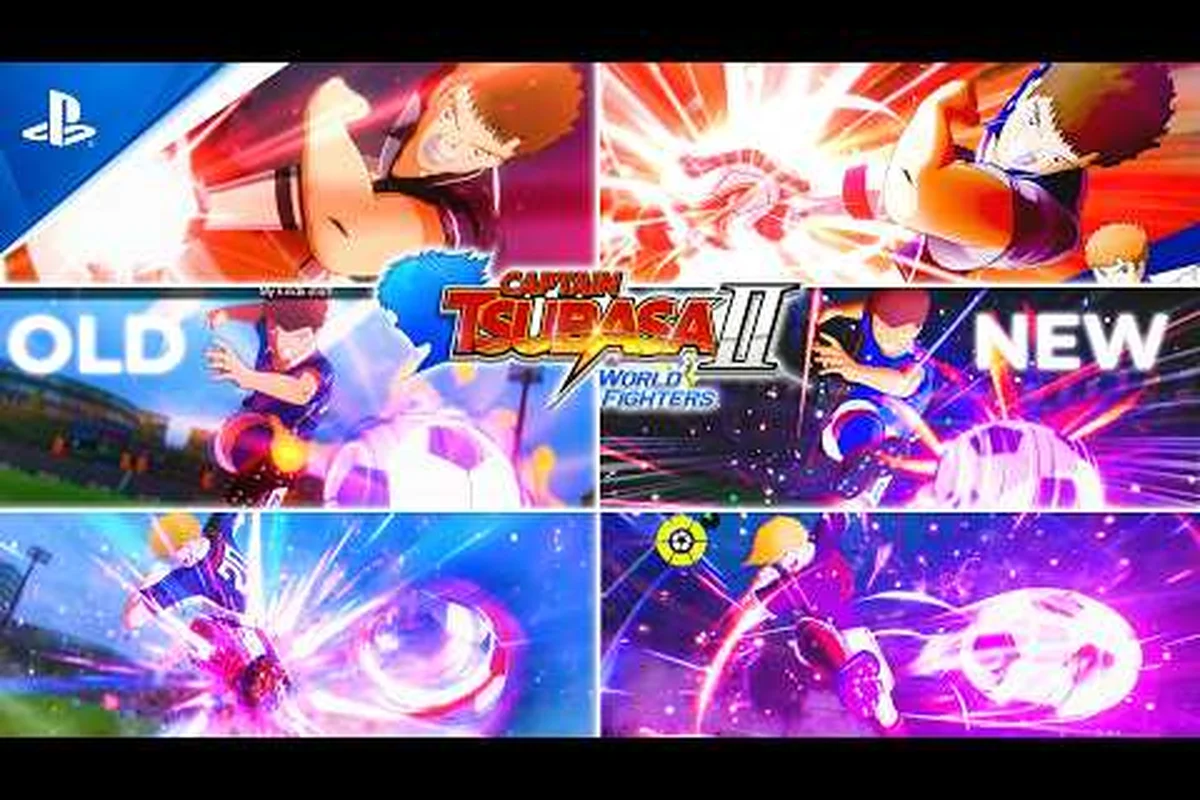
Understanding how CAPTAIN TSUBASA 2: World Fighters character growth works is the difference between a squad that peaks in the group stage and one that lifts the World Youth trophy. With over 110 playable characters confirmed on the official Steam page, knowing who levels fast, who peaks late, and which growth paths fit your playstyle matters more than raw roster size. This guide breaks down the two progression systems, position-specific stat priorities, and how the world youth arc characters compare when it comes to long-term development.
Character Growth Systems in Journey and New Stars Route
CAPTAIN TSUBASA 2: World Fighters character growth runs through two distinct modes, and each one handles progression differently. Journey Mode follows Tsubasa Ozora through the World Youth arc with a fixed narrative structure, while New Stars Route lets you create a custom player and steer their development from scratch. Understanding both systems early prevents wasted effort and helps you plan which CAPTAIN TSUBASA 2: World Fighters main characters deserve your attention first.
Journey Mode Progression
In Journey Mode, character growth is tied to match performance and story milestones rather than free-form allocation. Tsubasa gains experience from completed matches, with bonus multipliers for scoring, assisting, and maintaining high pass accuracy. The system rewards balanced play because Drive Shot mastery and Golden Duo synergy with Taro Misaki unlock through cumulative match performance, not just goals.
Key progression triggers in Journey Mode:
-
Story chapter completion grants permanent stat boosts to Tsubasa's core attributes
-
Signature move upgrades require specific in-match conditions, like landing three Drive Shots in one half
-
Team chemistry bonuses activate when you field characters who share story connections, such as the Toho combo of Hyuga and Wakashimazu
-
Hidden growth events trigger when you meet stat thresholds before certain story matches, rewarding early investment
The SGGK catch mechanic for Wakabayashi and the Tiger Shot evolution for Hyuga follow similar patterns, though their unlock conditions tie to goalkeeper duels and striker duels respectively. Since the revamped duel system directly pits super shots against super catches, according to the official Bandai Namco EU site, your growth priorities should reflect the opponents you expect to face in each arc.
New Stars Route Customization
New Stars Route flips the script entirely. You create a player, pick a position, and choose your growth direction from the start. The mode emphasizes build diversity because your stat allocation determines which signature moves become available and how your custom player interacts with the fixed roster around them.
The creation screen asks you to choose between striker, midfielder, defender, or goalkeeper, and each choice branches into distinct growth trees. Strikers focus on shooting power and offensive positioning, midfielders balance passing vision with stamina management, defenders invest in tackling strength and marking range, while goalkeepers prioritize shot-stopping range and reaction speed.
What makes New Stars Route growth particularly interesting is the trade-off system. Every stat point spent on offense reduces your defensive ceiling, and vice versa. This forces meaningful decisions because a well-rounded custom player often underperforms a specialized one in the duel-heavy matches of the World Youth arc. Community reports suggest that players who commit to a clear archetype by chapter three see noticeably better results than those who spread points evenly.
Unlockable Characters and How Growth Unlocks Them
CAPTAIN TSUBASA 2: World Fighters unlockable characters follow a staggered release pattern, with the full 110+ roster confirmed but not all characters available from day one. The World Youth arc, supervised by creator Yoichi Takahashi, confirms teams from Japan, Brazil, Germany, France, Netherlands, Argentina, Spain, Italy, England, Uruguay, Sweden, Mexico, Saudi Arabia, South Korea, China, Thailand, Uzbekistan, Indonesia, Cameroon, Senegal, USA, and Canada, plus the Sao Paulo club.
Unlock conditions generally fall into three categories, and understanding them helps you prioritize which CAPTAIN TSUBASA 2: World Fighters every character list entries you chase first:
| Unlock Type | Requirement | Example Character |
|---|---|---|
| Story Progression | Complete specific World Youth arc chapters | Tsubasa Ozora, Taro Misaki |
| Performance-Based | Achieve stat or match thresholds | Kojiro Hyuga, Genzo Wakabayashi |
| Mode Completion | Finish New Stars Route with specific builds | Custom player variants |
Story-Locked Characters
The world youth arc characters tied to story progression unlock naturally as you advance through Journey Mode. Tsubasa and Misaki are available from the start, while Hyuga joins after the Toho matches conclude. Wakabayashi unlocks following the Germany friendly, and Schneider becomes playable once you complete the Germany arc in the World Youth tournament bracket.
These unlocks are permanent across save files, which means replaying Journey Mode with a fully unlocked roster changes the early-game experience significantly. Players who rush through the story once to unlock everyone then restart with a focused growth plan often find the second playthrough far more rewarding, because they can invest in characters they know will pay off later.
Performance and Mode-Based Unlocks
Performance-based unlocks reward specific play patterns. For example, Natureza's Enfant Roi ability reportedly requires you to complete the Brazil arc while maintaining a 90%+ pass completion rate across all matches. Similarly, Salinas as a goalkeeper unlock demands that you win the World Youth final while conceding fewer than three goals total in the knockout stage.
New Stars Route completion unlocks custom player variants that carry over into other modes. The build options highlighted on the official site mean that a goalkeeper-focused custom player unlocks different rewards than a striker-focused one, so planning multiple playthroughs with different positions gives you access to the full unlock pool.
Stat Growth Comparison Across Key Characters
CAPTAIN TSUBASA 2: World Fighters character comparison reveals that growth curves vary dramatically between the main cast and supporting players. Some characters peak early and plateau, while others start slow but become monsters by the final arc. Knowing these curves helps you decide where to focus training and which characters deserve your limited growth resources.
| Character | Early Game | Mid Game | Late Game | Key Growth Focus |
|---|---|---|---|---|
| Tsubasa Ozora | Strong | Strong | Elite | Drive Shot mastery, passing vision |
| Kojiro Hyuga | Strong | Strong | Strong | Tiger Shot power, physical duels |
| Genzo Wakabayashi | Elite | Elite | Elite | SGGK catch, shot-stopping range |
| Taro Misaki | Average | Strong | Strong | Golden Duo synergy, positioning |
| Natureza | Weak | Average | Elite | Enfant Roi ability, dribbling |
Early Peakers vs Late Bloomers
Early peakers like Hyuga and Wakabayashi deliver immediate value because their core stats start high and their signature moves unlock early. Hyuga's Tiger Shot is available from his first appearance, and Wakabayashi's SGGK catch makes him a wall in goal from the start. These characters are ideal for players who want reliable performance without long-term investment.
Late bloomers like Natureza and Carlos Santana start noticeably weaker but scale into the strongest characters in the game by the World Youth final. Natureza's Enfant Roi ability reportedly transforms his dribbling and shot creation once fully leveled, making him a game-changer in the late tournament bracket. The trade-off is that you must invest significant match time and training resources into him during the early arcs when he underperforms.
The stat growth multipliers differ by position as well. Goalkeepers gain shot-stopping range and reaction speed at roughly 1.5x the rate of outfield players, while strikers see faster growth in shooting power but slower growth in stamina. This positional variance means a balanced team needs characters from multiple growth profiles to cover all match scenarios.
Position-Specific Growth Priorities
CAPTAIN TSUBASA 2: World Fighters character growth demands position-specific thinking because each role has different stat priorities and signature move requirements. The duel system revamp means strikers and goalkeepers directly contest each other, while midfielders and defenders shape the flow around those duels. Understanding your position's growth priorities prevents wasted investment.
Strikers and Goalkeepers
Strikers should prioritize shooting power, offensive positioning, and duel win rate against goalkeepers. The revamped duel system means your super shots directly challenge goalkeeper super catches, so investing in shot variety and power matters more than raw speed. Hyuga's Raiju Shot and Schneider's Fire Shot both benefit from aggressive shooting stat investment.
Goalkeepers need shot-stopping range, reaction speed, and catch stability. Wakabayashi's SGGK catch becomes nearly unbeatable with high shot-stopping range, while Salinas offers a different profile with faster reaction speed but slightly lower range. The goalkeeper stat comparison table below shows how these profiles differ:
| Goalkeeper | Shot-Stopping Range | Reaction Speed | Catch Stability | Best Against |
|---|---|---|---|---|
| Wakabayashi | Elite | Strong | Elite | Power shooters |
| Salinas | Strong | Elite | Strong | Finesse shooters |
| Hernandez | Average | Strong | Elite | Balanced attackers |
Midfielders and Defenders
Midfielders should balance passing vision, stamina management, and positional awareness. Misaki's Golden Duo synergy with Tsubasa rewards high passing stats, while Cruyfford from the Netherlands brings a more offensive midfield profile. The playmaker growth tree emphasizes vision and timing over raw physical stats.
Defenders invest in tackling strength, marking range, and positional discipline. The World Youth arc features several elite attacking teams, so defenders who can shut down dribblers like Natureza and Juan Diaz become invaluable. Marking range in particular determines how much space you can deny before the opponent reaches your penalty area.
Building Your Growth Strategy for the World Youth Arc
A successful CAPTAIN TSUBASA 2: World Fighters character growth strategy balances short-term needs against long-term potential. The World Youth arc spans multiple tournament stages, and the opponents escalate in difficulty from the group stage through the final. Your growth plan should account for this escalation curve. This escalation curve also mirrors the hidden stat boosts and unique playstyles introduced in the post-launch roster, so if you want to know which newcomers can flatten that final-stage difficulty spike, check our breakdown of Captain Tsubasa 2 World Fighters Dlc Characters to plan your substitutions accordingly.
Early Arc Priorities
During the early arcs, focus on characters who deliver immediate value while quietly developing your late bloomers. Hyuga and Wakabayashi carry the early matches, while Tsubasa's balanced growth ensures he stays relevant throughout. Use this period to unlock performance-based characters by meeting stat thresholds in easier matches.
The training allocation system lets you direct bonus experience toward specific stats after each match. Early on, prioritize stamina and positioning for outfield players, because these stats affect every match regardless of opponent. Shooting and passing can wait until the tournament bracket forces tougher duels.
Tournament Stage Adjustments
As the World Youth tournament progresses, shift your growth focus toward duel-specific stats. The knockout stage features the strongest goalkeepers and strikers in the game, so your strikers need enough shooting power to beat elite keepers, and your keepers need enough range to stop elite shooters. This is when late bloomers like Natureza start paying dividends.
The match preparation system lets you see upcoming opponents and adjust training accordingly. If Germany is next, invest in shooting power to beat Schneider's Fire Shot duels. If Brazil looms, boost defensive marking to contain Natureza's dribbling. This targeted approach maximizes your growth efficiency during the most demanding stretch of the arc.
Frequently Asked Questions
How does CAPTAIN TSUBASA 2: World Fighters character growth differ between Journey and New Stars Route?
Journey Mode ties growth to story progression and match performance with fixed stat bonuses, while New Stars Route gives you full control over stat allocation and build direction. Journey Mode suits players who want a guided experience, while New Stars Route rewards those who enjoy theorycrafting custom builds.
Which characters are worth investing in early for the World Youth arc?
Hyuga and Wakabayashi deliver immediate value with strong starting stats and early signature moves. Tsubasa offers balanced growth that stays relevant throughout. For long-term payoff, invest early in Natureza despite his weak start, because his Enfant Roi ability becomes elite by the final tournament stages.
Are unlockable characters permanent across save files?
Yes, characters unlocked through story progression and mode completion carry over permanently across save files. This means you can rush through Journey Mode once to unlock the full roster, then restart with a focused growth plan and access every character from the beginning.
What is the best growth strategy for a custom goalkeeper in New Stars Route?
Prioritize shot-stopping range and reaction speed above all other stats, because the duel system directly pits your catches against opponent super shots. Commit to a goalkeeper archetype rather than spreading points, since a specialized keeper with elite range outperforms a balanced one in the high-pressure duels of the knockout stage.
How do signature moves factor into character growth?
Signature moves unlock through cumulative match performance and stat thresholds, and they scale with your character's growth. A fully leveled Tiger Shot or Drive Shot becomes significantly stronger than its base version, which is why investing in the stats that support your signature moves matters more than spreading points across unrelated attributes.