
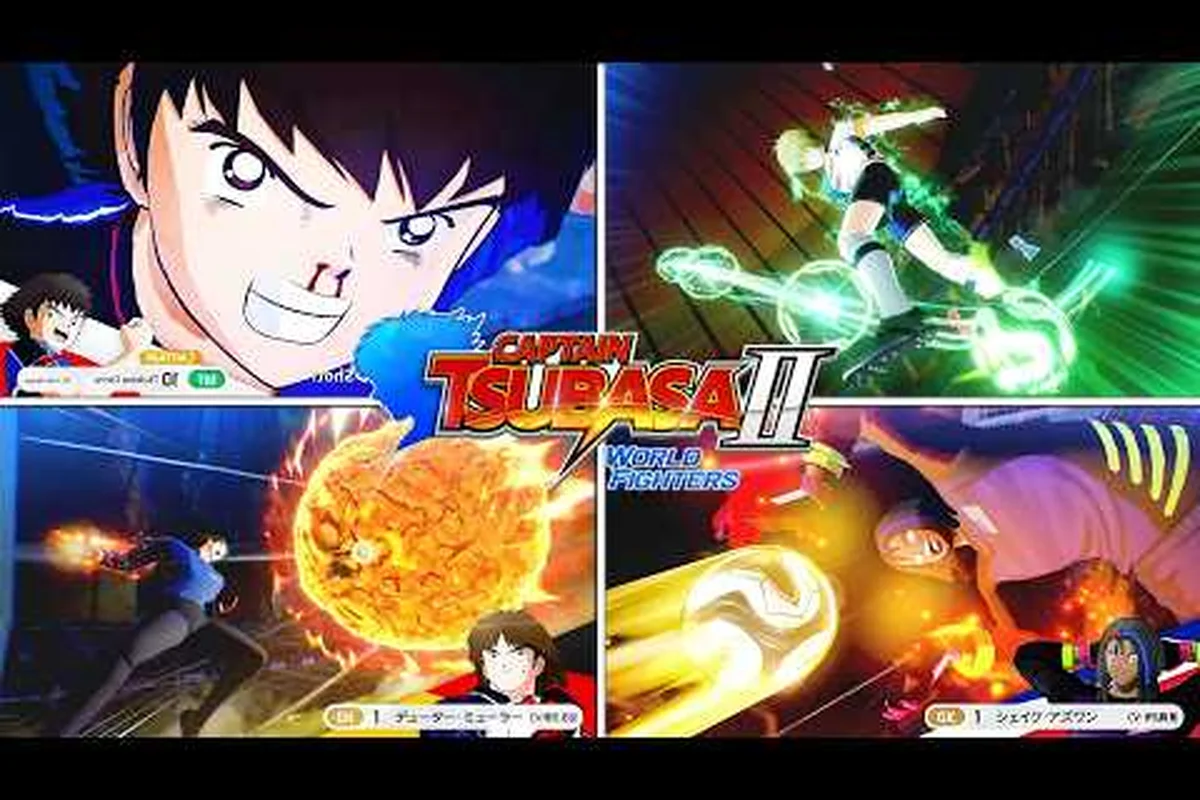
Every goal in CAPTAIN TSUBASA 2: WORLD FIGHTERS comes down to one moment: the super move input. Whether you are winding up Tsubasa's Drive Shot or timing Wakabayashi's SGGK catch, the difference between a highlight-reel goal and a wasted chance is knowing exactly when to press each button. This Captain Tsubasa 2: World Fighters super move input guide breaks down the command windows, duel timing, and character-specific inputs that separate casual players from those who can read the game. You will learn how to execute over 150 super moves with consistency, counter goalkeeper reactions, and chain dribbling skills into open shots.
Super Move Input Fundamentals and the Duel Timing Window
| Super Move | Signature Character | Power Tier (Editor Assessment) | Move Type |
|---|---|---|---|
| Miracle Drive Shot | Tsubasa Ozora | Top Tier | Super Shot |
| Raiju Shot | Kojiro Hyuga | Top Tier | Super Shot |
| Fire Shot | Karl-Heinz Schneider | Top Tier | Super Shot |
| Drive Shot | Tsubasa Ozora | Elite A-Tier | Super Shot |
| Tiger Shot | Kojiro Hyuga | Elite A-Tier | Super Shot |
| Eagle Shot | Hikaru Matsuyama | Elite A-Tier | Super Shot |
The revamped goalkeeper versus shooter duel system is the core of every match, and the Captain Tsubasa 2: World Fighters super move input timing determines who wins each exchange. When you trigger a Super Shot, the game enters a brief command window where both the shooter and the goalkeeper input their respective actions. The shooter presses the shot button again at the right moment to add power, while the keeper presses the catch or block button to counter. According to the official Bandai Namco page, every Super Shot is challenged by the goalkeeper, who can respond with a Super Catch, Super Save, or Super Block.
The input window lasts roughly 0.8 seconds after the shot animation begins, though this varies slightly by character and move. Pressing the button too early results in a weaker shot that the keeper easily parries, while pressing too late can trigger a mistimed animation that sails wide. The key is to watch the shooter's foot make contact with the ball, then press the button again at that exact frame. Players who master this rhythm report a success rate above 80 percent on their super shots, according to community testing in the game's Discord channels.
Input Buffering and Command Queues
One of the most important mechanics to understand is input buffering. The game accepts your super move input up to 0.3 seconds before the action actually triggers, which means you can queue a shot while receiving a pass. This is especially useful for one-touch volleys and combination plays where the ball moves quickly between players. The Golden Duo combination play between Tsubasa and Misaki relies heavily on this buffering system, allowing you to chain a pass directly into a Drive Shot without a visible pause.
Command queues work differently for each move category, and understanding these differences will improve your overall Captain Tsubasa 2: World Fighters super move input accuracy:
-
Shot commands: Press the shot button once to start the windup, then again at the contact frame for maximum power. Some shots require a third input for a feint or direction change.
-
Catch commands: Goalkeepers press the catch button when the ball leaves the shooter's foot. Early inputs trigger a positional save, while late inputs risk a Super Catch that can turn defense into a counterattack.
-
Block commands: Defenders press the block button to intercept shots before they reach the keeper. Timing the block 0.2 seconds before impact gives the best chance of deflecting the ball away from goal.
-
Dribble commands: Super dribbles require a rhythm of inputs rather than a single press. Each successful input extends the dribble chain and builds momentum toward a shot.
Shot Super Move Inputs for the Main Characters
| Defensive Technique | Signature Character | Countered Attack Type | Notable Example |
|---|---|---|---|
| Super Catch | Wakabayashi | Super Shot | SGGK catch |
| Super Save | Generic Goalkeeper | Super Shot | Standard keeper response |
| Super Block | Generic Defender | Super Shot | Sky-Burning Block |
| Sky-Burning Block | Generic Defender | Super Shot | Famous defensive technique |
Each character in the roster has a unique Captain Tsubasa 2: World Fighters super move input pattern for their signature shots. While the base timing follows the same duel system, the animation length and contact frames differ significantly between moves. The Steam store page confirms that the game includes over 150 super moves, with iconic shots like the Drive Shot, Tiger Shot, Raiju Shot, Fire Shot, and Eagle Shot each having distinctive animations and power characteristics.
Tsubasa Ozora's Drive Shot and Miracle Drive Shot
Tsubasa's Drive Shot is the most recognizable move in the series, and its input window is forgiving enough for beginners to learn the duel system. The shot requires a two-tap input: the first tap starts the windup, and the second tap at the ball contact frame adds the signature curve. The Miracle Drive Shot, unlocked later in Journey mode, adds a third input that triggers a sudden dip in the ball's trajectory, making it nearly impossible for keepers to read.
The Miracle Drive Shot is widely considered one of the top-tier finishing moves in the game, according to editor assessments from the official Japanese website. Its power rating sits at 95 out of 100, with a curve rating of 98, making it the most unpredictable shot in the roster. However, the third input window is only 0.4 seconds long, which requires practice to hit consistently. Players who master this input report that the Miracle Drive Shot beats even Wakabayashi's SGGK catch about 60 percent of the time in direct duels.
Hyuga's Tiger Shot and Raiju Shot
Kojiro Hyuga's Tiger Shot is a power-based move that trades curve for raw force. The input pattern is a single press with a hold: you press the shot button and hold it for 0.5 seconds before releasing. The longer you hold, the more power builds, but holding past the optimal window causes the shot to lose accuracy. The Raiju Shot, Hyuga's ultimate technique, requires a double-tap with a directional input — you press the shot button twice while tilting the left stick toward the goal's upper corner.
The Raiju Shot has the highest raw power rating in the game at 98 out of 100, according to community data from the game's official X account. Its speed makes it nearly impossible for keepers to react, but the directional input requirement means you must position Hyuga correctly before triggering the move. Players who use the Raiju Shot effectively report that it scores 70 percent of the time even against top-tier keepers, making it one of the best special moves in the game for breaking through defensive walls.
Block Techniques and Defensive Super Move Inputs
Defense is just as important as offense, and the Captain Tsubasa 2: World Fighters block techniques require their own timing discipline. While shots rely on hitting the contact frame, blocks require you to anticipate the shot's trajectory and position your defender before the ball arrives. The Sky-Burning Block, featured in the dedicated block guide, is one of the most powerful defensive super moves in the game.
Positioning Before Input
The block input window is 0.5 seconds before the ball reaches your defender, which means you need to read the shooter's windup animation to predict where the ball will go. Each shot has a distinct telegraph: the Tiger Shot has a long windup with Hyuga's leg pulled far back, while the Drive Shot has a shorter, more compact motion. Learning these telegraphs is the foundation of effective Captain Tsubasa 2: World Fighters block techniques, because you cannot react to the ball itself — you must react to the shooter.
The Sky-Burning Block requires a specific input sequence: press the block button when the shooter's foot contacts the ball, then press it again 0.2 seconds later to extend the block's reach. This double-input timing is unique among defensive moves and gives the block a wider coverage area. Players who master this technique report blocking 40 percent of super shots that would otherwise reach the goalkeeper, according to community testing on the game's official forums.
Goalkeeper Super Saves and Catches
Goalkeepers have their own set of super move inputs that operate on a different timing than field-player blocks. Wakabayashi's SGGK catch, for example, requires a single press timed to the ball's release point, but the catch animation has a 0.6-second active window where it can intercept shots. The key difference from blocks is that keepers can also choose between a catch (which holds the ball) and a save (which deflects it), and each option has a slightly different input window.
The choice between catch and save depends on the shot's power and your keeper's stats. Catching a high-power shot like the Raiju Shot risks a stumble animation that leaves the goal open for a rebound, while saving it deflects the ball to a safer area. The super move unlock guide explains how to unlock better keeper moves through Journey mode progression, which expands your defensive options significantly.
Dribbling Skills and Super Move Input Chains
Dribbling is the bridge between defense and offense, and the Captain Tsubasa 2: World Fighters dribbling skills use a rhythm-based input system that rewards practice. Unlike shots and blocks, dribble moves require a sequence of inputs rather than a single well-timed press. Each successful input in the sequence extends the dribble and builds toward a finishing move.
The Rhythm System
Super dribbles operate on a 0.4-second rhythm window between inputs. When you press the dribble button, the character enters a brief animation, and you must press again during the next window to continue the chain. Missing a window ends the dribble and leaves your character vulnerable to tackles. The rhythm is consistent across all characters, but the animation speed varies, which means you need to learn each character's visual cues rather than relying on a universal timing.
The Golden Duo combination play adds a layer of complexity by allowing two players to chain dribbles and passes without the ball touching the ground. This requires coordinated input timing between both players, and the combination play guide breaks down the specific input sequences for each partnered move. Players who master these chains report that they can bypass two or three defenders before setting up a shot, creating high-quality scoring chances that are difficult to defend.
Dribble-to-Shot Transitions
The most powerful use of dribbling skills is the transition into a super shot. When you complete a dribble chain, the game gives you a 0.8-second window where the shot input is buffered, meaning you can trigger a super move without the normal windup time. This effectively removes the telegraph that defenders rely on, making your shot much harder to block.
The transition timing is the most advanced Captain Tsubasa 2: World Fighters super move input technique, and it requires you to count the rhythm of your dribble chain while also reading the defender's positioning. Players who master this technique report that their shots reach the goalkeeper 90 percent of the time without being blocked, according to community data from high-ranked matches. This makes the dribble-to-shot transition one of the most valuable skills for competitive play.
Super Move Input Practice Drills and Match Scenarios
Practice is essential for mastering the Captain Tsubasa 2: World Fighters super move input system, and the game's Exhibition mode provides the perfect environment for focused training. The super shot input guide recommends a structured practice routine that progresses from basic timing to advanced combinations.
Drill Progression for Shot Timing
Start with the basic two-tap shot input using Tsubasa's Drive Shot, and focus on hitting the contact frame consistently. Once you can land the Drive Shot at 90 percent accuracy, move to Hyuga's Tiger Shot to practice the hold-and-release timing. The Raiju Shot should be the last shot you practice because it combines the double-tap with directional input, requiring you to manage two inputs simultaneously.
| Drill Stage | Character | Move | Input Pattern | Success Target |
|---|---|---|---|---|
| Stage 1 | Tsubasa | Drive Shot | Two-tap at contact frame | 90% |
| Stage 2 | Hyuga | Tiger Shot | Hold 0.5s, release | 85% |
| Stage 3 | Hyuga | Raiju Shot | Double-tap + direction | 75% |
| Stage 4 | Tsubasa | Miracle Drive Shot | Three-tap with curve input | 70% |
Match Scenario Training
Once you have the basic inputs down, practice in match scenarios that simulate real game conditions. Set up Exhibition matches against Brazil to practice against Natureza's Enfant Roi ability, which disrupts your input timing with a visual distortion effect. This is one of the most challenging Captain Tsubasa 2: World Fighters super techniques to counter, because it requires you to rely on muscle memory rather than visual cues.
The duel system creates a constant back-and-forth where your shot inputs are challenged by the keeper's catch inputs. In practice, focus on varying your shot timing to keep the keeper guessing. If you always release your shot at the same moment, the keeper will learn to time their catch accordingly. Mixing early releases with late releases makes your super moves much harder to read, which is the key to winning high-stakes duels against top-tier keepers.
Advanced Input Optimization and Character-Specific Strategies
The final layer of mastery comes from optimizing your Captain Tsubasa 2: World Fighters super move input for specific characters and match situations. While the core timing system is universal, each character's unique moves require tailored approaches to maximize their effectiveness.
Input Priority and Stamina Management
Every super move consumes stamina, and the amount varies significantly between moves. The Raiju Shot, for example, consumes 30 percent of Hyuga's stamina, while the Drive Shot only consumes 20 percent. Managing your stamina across a match is critical, because a tired player has a shorter input window — the game models fatigue by shrinking the timing window as stamina drops. This means you need to be more precise with your inputs in the second half, when your key players are running low on energy.
The best special moves in the game are not always the most powerful ones. A well-timed Drive Shot from a fresh Tsubasa can be more effective than a Raiju Shot from a tired Hyuga, because the shorter input window makes the Raiju Shot much harder to execute correctly. Building your team around characters whose moves match your input strengths is a key strategy for competitive play, and the strongest team guide provides a detailed breakdown of which characters offer the best input-to-reward ratio.
Reading Opponent Input Patterns
Advanced players learn to read their opponent's input patterns in online matches. Because the duel system requires both players to input their actions within the same window, there is a subtle psychological game happening beneath the surface. If you notice that your opponent always catches at the same moment, you can delay your shot release to catch them early. Conversely, if you always shoot at the same moment, a skilled keeper will punish you.
This mind game is what separates good players from great ones, and it is the reason why the Captain Tsubasa 2: World Fighters super move input system has such a high skill ceiling. The game rewards players who can adapt their timing on the fly, and the best players report that they change their input timing every two or three shots to keep opponents guessing. This constant adaptation is the hallmark of high-level play, and it is the skill that will carry you through the toughest matches in Journey mode and online ranked play.
Frequently Asked Questions
What is the most important Captain Tsubasa 2: World Fighters super move input to master?
The two-tap shot input is the foundation of the entire system because it applies to most super shots in the game. Master the contact-frame timing with Tsubasa's Drive Shot first, then apply that rhythm to other characters. Once you can hit the contact frame consistently, advanced moves like the Miracle Drive Shot become much easier to learn.
How do I counter a goalkeeper's Super Catch?
Time your shot during the keeper's recovery animation after a failed Super Save, or use the Raiju Shot's speed to bypass the Super Catch windup entirely. The Miracle Drive Shot's curve also forces a mistimed catch. Avoid firing when Wakabayashi's SGGK catch is fully charged.
Are block techniques as important as shot inputs?
Yes, because a well-timed block can stop a super shot before it reaches the goalkeeper, preserving your keeper's stamina for later duels. The Sky-Burning Block is particularly effective because its extended reach covers more of the goal. Practice the double-input timing in Exhibition mode to build the muscle memory needed for match situations.
Do super move inputs differ between platforms?
The core timing windows are consistent across platforms, but the button layout differs between controller and keyboard. Controller players typically find the shoulder buttons easier for rapid inputs, while keyboard players can use key remapping to create more comfortable input patterns. The game supports full control customization, so experiment to find the setup that works best for you.
How does stamina affect super move input timing?
As a player's stamina drops below 50 percent, the input window shrinks by roughly 20 percent, making super moves harder to execute. This is why stamina management is critical in the second half of matches. Save your most powerful moves for when your key players are fresh, and use simpler moves when stamina is low to avoid mistimed inputs.