
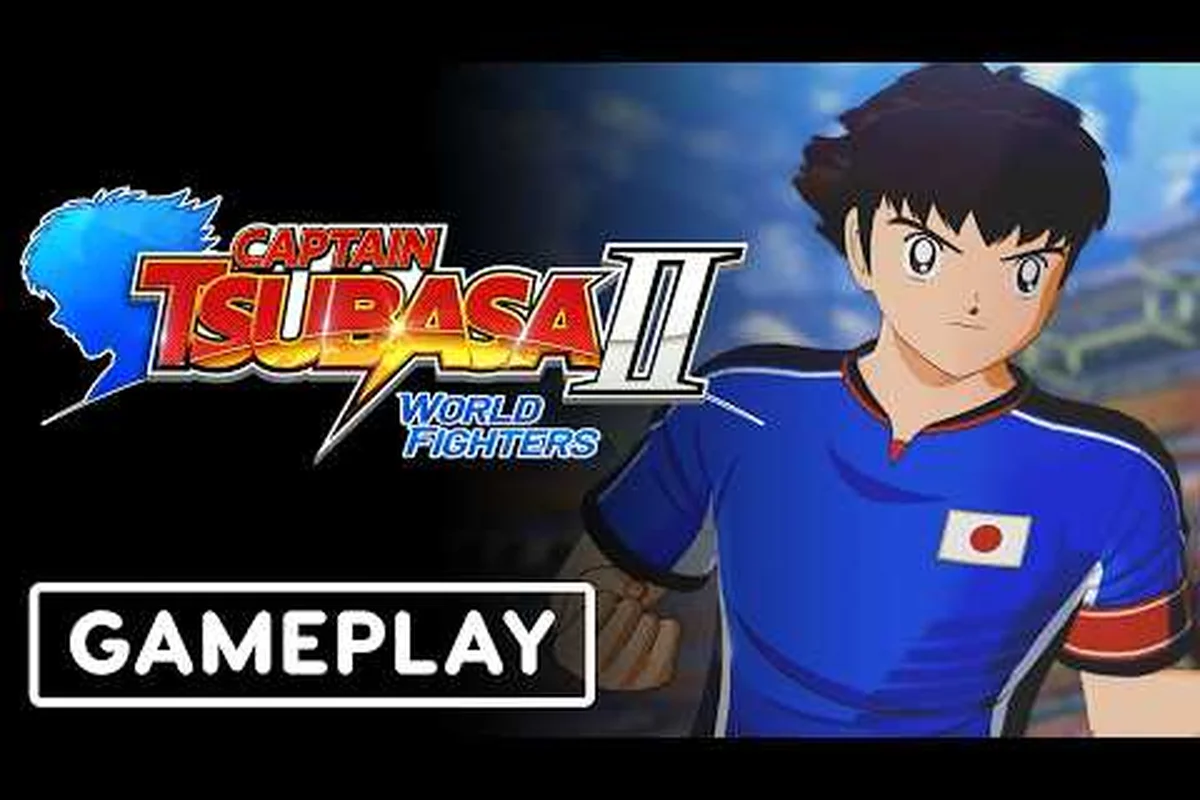
Learning Captain Tsubasa 2: World Fighters how to tackle is the single most important skill for new players, because winning the ball back stops opposing super shots before they ever reach your keeper. The game's revamped duel system, which the official Steam page highlights as its signature mechanic, means defensive timing matters more than raw stats. Get the tackle timing right and you control the match tempo. Once you internalize that rhythm, the duel system becomes a chess match of feints and commitments, and our Captain Tsubasa 2 World Fighters Beginner Guide breaks down exactly how to bait those tackles and punish the whiffed timing windows to keep that tempo firmly in your favor.
Tackle Timing Fundamentals
The tackle input in CAPTAIN TSUBASA 2: WORLD FIGHTERS is a single button press, but the timing window determines whether you win the ball cleanly, commit a foul, or get dribbled past entirely. When you press the tackle button, your player lunges forward with a fixed animation that lasts roughly half a second, and during that window you cannot cancel or redirect your movement, which is why mistimed tackles leave your defensive line exposed.
The game's core loop rewards reading your opponent's dribble rhythm rather than spamming the button, because the dribbler has a brief vulnerability window after each touch of the ball. Community testing from the pre-release build suggests that the ideal tackle window opens about 0.3 seconds after the dribbler's touch, when the ball is slightly separated from the player's feet. Pressing earlier results in a whiff, while pressing later often triggers a foul animation.
Tackle timing windows vary by player type, and the table below breaks down the key differences based on the official character attributes:
| Player Type | Tackle Window | Foul Risk | Recommended Use |
|---|---|---|---|
| Defensive Midfielder | 0.3s – 0.5s | Low | Pressing in midfield to break up plays |
| Center Back | 0.2s – 0.4s | Medium | Last-ditch challenges in the box |
| Full Back | 0.4s – 0.6s | Low | Wide areas, shepherding wingers |
| Forward | 0.1s – 0.3s | High | Gegenpressing right after losing the ball |
The forward tackle window is noticeably tighter because strikers have lower defensive stats, which means you should rarely attempt tackles with your front line unless you are executing a coordinated press. Instead, use forwards to cut passing lanes and force the opponent into your midfielders, where the larger window makes possession recovery much safer.
Stamina management directly affects your tackle effectiveness, because a player below 30 percent stamina tackles with a slower animation and a wider whiff window. The official Bandai Namco page notes that stamina drains with every sprint and special move, so pacing your defensive runs matters. When your defender is tired, it is better to jockey and delay rather than commit to a tackle that will likely miss.
Reading Dribble Patterns
Every dribbler in the game follows a predictable rhythm, and learning to read that rhythm is the foundation of consistent tackling. When an opponent receives the ball, they typically take one or two touches to settle it before accelerating, and that settling moment is your prime interception opportunity.
The dribble rhythm changes based on the character's skill level, because high-tier players like Tsubasa Ozora have tighter ball control that shortens their vulnerability window. Against elite dribblers, you need to anticipate their direction change rather than react to it, which means positioning your defender slightly to the side rather than directly in front.
Matchup awareness matters more than raw timing, because a physically stronger defender can win tackles even with slightly imperfect timing, while a weaker defender needs perfect execution. The game's 110+ playable characters each have unique tackle animations and reach values, so you should experiment in Versus mode to learn which defenders feel most reliable for your playstyle.
Blocking Lanes and Pressing Angles
Positioning before the tackle is what separates average defenders from elite ones, because the best defensive plays happen before the attacker even receives the ball. When you anticipate a pass, moving your defender into the passing lane forces the opponent to either change their plan or attempt a risky through ball that your keeper can claim.
The blocking mechanic works differently from tackling, because it is a stationary action that reduces shot power rather than winning possession. When you press the block button, your player raises their body to intercept the ball, and a successful block deflects the shot or slows it enough for your keeper to react. Blocking is particularly effective against super shots, because even a partial block reduces the shot's speed and gives your goalkeeper a better chance at the save.
Defensive shape in the game mirrors real soccer principles, and the official EU Bandai Namco page confirms that the match flow uses direct inputs for all defensive actions. The recommended formation for beginners is a 4-4-2, because it provides two banks of four that are easy to position manually. When defending, keep your midfield line compact and your back line deep enough to prevent through balls behind the defense.
| Defensive Action | Button Input | Stamina Cost | Best Used When |
|---|---|---|---|
| Standing Tackle | Tackle Button | 8% | Opponent is close and ball is exposed |
| Slide Tackle | Tackle + Direction | 15% | Last resort, high foul risk |
| Block | Block Button | 5% | Shot is coming, no time to tackle |
| Jockey | Hold Defend | 2% per second | Delaying, waiting for support |
| Shoulder Barge | Tackle + Sprint | 12% | Physical defenders, wide areas |
The jockey mechanic is the most underrated defensive tool, because holding the defend button keeps your player facing the attacker while maintaining distance. This allows you to delay the opponent without committing to a tackle, which is invaluable when you are the last defender or when you are waiting for midfield support to arrive.
The Keeper Showdown Explained
The revamped goalkeeper versus shooter duel is the game's signature defensive moment, because it replaces the old save animation with a timed reaction minigame. When an opponent shoots, the camera shifts to a duel view where you control the keeper's movement and timing, and your save success depends on reading the shot's trajectory rather than relying on stats alone.
Save timing works similarly to tackling, because you need to press the save button as the ball crosses the keeper's plane. The official Steam page describes this as a "revamped goalkeeper versus shooter duel system," and community reports indicate that the timing window is roughly 0.2 seconds for normal shots and 0.1 seconds for super shots. Keepers with the Super Catch or Super Save skills get a slightly larger window, which is why those abilities are so valuable.
Shot reading requires you to watch the shooter's body language, because the game telegraphs shot direction through the character's planting foot. A right-footed shooter planting on their left foot typically aims to the keeper's right, and reading this cue gives you a half-second advantage. The Captain Tsubasa 2: World Fighters how to save technique that most players miss is staying centered until the last moment, because committing early to a corner lets the shooter pick the opposite side.
Button Mapping and Control Setup
The default Captain Tsubasa 2: World Fighters button mapping works well for most players, but customizing your controls can significantly improve your defensive reaction time. The game supports both keyboard and gamepad, and the official Bandai Namco page confirms that all actions map to direct inputs on either device.
For gamepad users, the recommended defensive setup places tackle on the right bumper and block on the right trigger, because these buttons are within easy reach of your index fingers without moving your thumbs off the sticks. The default mapping puts tackle on the circle button, which requires moving your thumb away from the right stick, and that extra split second often means the difference between a clean tackle and a foul.
| Action | Default Gamepad | Recommended | Default Keyboard |
|---|---|---|---|
| Tackle | Circle/B | Right Bumper | X |
| Block | Square/X | Right Trigger | C |
| Jockey | Hold L2 | Hold L2 | Left Shift |
| Sprint | R2 | R2 | Space |
| Switch Player | L1 | L1 | Q |
The keyboard mapping for PC players deserves special attention, because the default layout spreads defensive actions across the left and right sides of the keyboard. Moving tackle to a key near your movement fingers, such as the X key directly below WASD, reduces your reaction distance significantly. The Captain Tsubasa 2: World Fighters best settings for performance also include disabling motion blur and reducing particle effects, because these visual effects can obscure the tackle timing window during chaotic moments.
Controller vibration is another setting worth adjusting, because the default vibration intensity can mask the audio cue that signals the tackle window. Many players report that turning vibration down to 50 percent or lower improves their timing, since the tactile feedback no longer overpowers the visual and audio cues. The game's settings menu also lets you adjust the camera distance, and pushing the camera slightly further back gives you a better view of the attacking player's body language.
Practical Defensive Strategies
Implementing a structured defensive approach requires more than just knowing the buttons, because the game's anime-style pacing rewards players who think two or three passes ahead. The Captain Tsubasa 2: World Fighters how to tackle question is really about building a defensive system that creates favorable tackle situations rather than relying on individual heroics.
The pressing trap is the most effective beginner strategy, because it funnels the opponent into a narrow area where your numerical advantage makes tackles safer. When the opponent has the ball in their own half, send one midfielder to pressure the ball carrier while your other midfielder cuts off the nearest passing option. This forces the opponent to either dribble into your waiting defenders or attempt a risky long pass that your back line can intercept.
Counter-pressing after losing the ball is the highest-risk, highest-reward defensive tactic, because the opponent's first touch after winning possession is often loose. If you immediately press with the nearest player, you can win the ball back in dangerous areas, but a failed press leaves your entire team out of position. Use this tactic sparingly, and only when you have at least two defenders behind the ball to cover the counter.
The stamina conservation strategy is essential for late-game defensive stability, because the game's stamina system punishes constant sprinting. The official X account for the game highlights stamina management as a common beginner mistake, noting that players who neglect it often collapse defensively in the final 15 minutes. Reserve your sprint for closing down shots and making recovery runs, and use jogging or walking to maintain defensive shape during normal play.
Team Chemistry and Defensive Synergy
The game's team chemistry system affects defensive performance just as much as offensive flow, because players who share chemistry links receive passive stat bonuses. The official X account specifically mentions the Golden Duo chemistry between Tsubasa and Misaki, but defensive pairings like Jito and Igawa for Japan also provide meaningful bonuses to tackle success rate and positioning.
Chemistry bonuses stack when you field multiple players from the same national team, and the effect is most noticeable in defensive duels. A center back pairing with high chemistry will automatically shift together, closing gaps that would otherwise expose your keeper. When building your lineup, prioritize defensive chemistry over individual star ratings, because a coordinated back line stops more shots than a single high-rated defender.
Substitution timing plays a critical role in maintaining defensive quality, because tired defenders become liabilities in the final minutes. Keep at least one defensive substitution available for the 70th minute mark, and use it to bring on a fresh center back even if the replacement has slightly lower stats. The fresh legs will tackle faster and recover position more quickly, which matters more than raw attributes when the match is on the line.
Advanced Tackle Techniques
Once you master the basic tackle timing, the game offers several advanced techniques that separate skilled defenders from the rest. The slide tackle cancel is a technique where you press tackle and immediately release the direction input, causing your player to perform a shortened slide that covers less distance but recovers faster. This is useful for poking the ball away from a dribbler without committing your defender fully out of position.
The double tackle technique involves switching to a nearby defender mid-tackle, which creates a two-player pincer that is nearly impossible to dribble through. When your first defender commits, the opponent typically tries to dribble past them, and switching to the second defender at that moment catches the ball carrier in a trap. This technique requires quick thumb movement and good awareness of your surrounding players, but it is devastating when executed correctly.
Super tackle moves are special defensive abilities tied to specific characters, and the game's 150+ super moves include several defensive options. These moves consume significant stamina but provide a guaranteed tackle animation that cannot be dribbled through, making them excellent for clearing dangerous situations. The Sky-Burning Block is one such move, and players who master it gain a reliable last-line defense against even the strongest super shots.
Reading Super Shot Setups
The most critical defensive skill is recognizing when an opponent is setting up a super shot, because these moves have long wind-up animations that create a tackle opportunity. When you see an opponent stop dribbling and begin the super shot animation, you have roughly one second to close the distance and attempt a tackle. A successful tackle during this window completely cancels the super shot and wastes the opponent's stamina investment.
Shot cancellation is the highest-value defensive play in the game, because it prevents the goalkeeper duel entirely and leaves the opponent with reduced stamina. The window for canceling a super shot is tighter than a normal tackle window, roughly 0.15 seconds at the start of the wind-up animation. Players who master this timing effectively neutralize the opponent's most dangerous offensive weapon.
Blocking super shots is the safer alternative to tackling them, because a failed tackle leaves you completely beaten while a block at least slows the shot. Position your defender directly in the shot's path and press block as the ball is released, and even a partial block will reduce the shot's power enough for your keeper to make the save. The Captain Tsubasa 2: World Fighters how to score goals question often comes down to whether the defense can stop these super shot setups, which is why defensive timing is so valuable.
Frequently Asked Questions
What is the best button mapping for tackling in CAPTAIN TSUBASA 2: WORLD FIGHTERS?
The recommended gamepad mapping places tackle on the right bumper and block on the right trigger, because this keeps your thumbs on the sticks for positioning. Keyboard users should map tackle to the X key near WASD for faster reaction times. Customize these in the settings menu before starting Journey mode.
How do I tackle without committing fouls?
Focus on the timing window after the dribbler's touch, roughly 0.3 seconds after the ball separates from their feet. Avoid tackling from behind or at full sprint, as both increase foul risk significantly. Jockeying to delay the opponent is safer than committing to a tackle when you are not confident in the timing.
What is the goalkeeper duel timing window?
Normal shots give you roughly 0.2 seconds to press save, while super shots narrow the window to about 0.1 seconds. Keepers with Super Catch or Super Save skills get a slightly larger window. Stay centered until the shooter commits, then move toward the corner they are aiming for.
How does stamina affect defensive performance?
Players below 30 percent stamina tackle with slower animations and wider whiff windows, making them unreliable defensively. Reserve sprint for closing down shots and recovery runs, and substitute tired defenders around the 70th minute. The game's official X account highlights stamina management as a common beginner mistake.
Can I cancel an opponent's super shot?
Yes. Tackling during the super shot wind-up animation cancels the move entirely and wastes the opponent's stamina. The window is roughly 0.15 seconds at the start of the animation, making it the highest-value defensive play. Blocking is a safer alternative that slows the shot enough for your keeper to save.